Chapter 4: Cognition, Consciousness, and Language
Chapter 4: Cognition, Consciousness, and Language
SCIENCE MASTERY ASSESSMENT
Every pre-med knows this feeling: there is so much content I have to know for the MCAT! How do I know what to do first or what’s important?
While the high-yield badges throughout this book will help you identify the most important topics, this Science Mastery Assessment is another tool in your MCAT prep arsenal. This quiz (which can also be taken in your online resources) and the guidance below will help ensure that you are spending the appropriate amount of time on this chapter based on your personal strengths and weaknesses. Don’t worry though—skipping something now does not mean you’ll never study it. Later on in your prep, as you complete full-length tests, you’ll uncover specific pieces of content that you need to review and can come back to these chapters as appropriate.
How to Use This Assessment
If you answer 0–7 questions correctly:
Spend about 1 hour to read this chapter in full and take limited notes throughout. Follow up by reviewing all quiz questions to ensure that you now understand how to solve each one.
If you answer 8–11 questions correctly:
Spend 20–40 minutes reviewing the quiz questions. Beginning with the questions you missed, read and take notes on the corresponding subchapters. For questions you answered correctly, ensure your thinking matches that of the explanation and you understand why each choice was correct or incorrect.
If you answer 12–15 questions correctly:
Spend less than 20 minutes reviewing all questions from the quiz. If you missed any, then include a quick read-through of the corresponding subchapters, or even just the relevant content within a subchapter, as part of your question review. For questions you answered correctly, ensure your thinking matches that of the explanation and review the Concept Summary at the end of the chapter.
- Which of the following terms describes how existing schemata are modified to incorporate new information?
- Assimilation
- Adaptation
- Affirmation
- Accommodation
- After completing final exams, a student reports to student health complaining of paranoia, lack of appetite, and elevated heart rate. After some questioning, the student admits to having been awake for over 48 hours after having bought pills from another student in the library. Which of the following drugs has this student likely taken?
- Phenobarbitol
- Dextroamphetamine
- Oxycodone
- Lysergic acid diethylamide
- A student is volunteering in a hospital with a stroke center. When asked what the prevalence of stroke is among those greater than 65 years old, the student states that it is probably about 40% even though data analysis indicates that it is significantly lower. What accounts for this error?
- Deductive reasoning
- Representativeness heuristic
- Base rate fallacy
- Confirmation bias
- Which of the following types of intelligence is NOT described by Gardner’s theory of multiple intelligences?
- Fluid intelligence
- Bodily–kinesthetic intelligence
- Visual–spatial intelligence
- Linguistic intelligence
- EEG waveforms during REM sleep most resemble which of the following states of consciousness?
- Alertness
- Slow-wave sleep
- Stage 1 sleep
- Meditation
- Which of the following indicates the pattern of sleep stages during a complete sleep cycle early in the night?
- 1–2–3–4–1–2–REM
- 1–2–3–4–3–2–REM
- 4–3–2–1–2–3–REM
- 4–3–2–4–3–1–REM
- Which of the following best explains a student’s ability to sit on the couch and watch reruns of a favorite TV show while studying for a chemistry exam?
- Selective attention
- Divided attention
- Shadowing
- Parallel processing
- Which theory of dreaming states that dreams and thoughts during wakeful periods use the same stream-of-consciousness system?
- Activation–synthesis theory
- Problem solving theory
- Cognitive process theory
- Neurocognitive theory
- A 19-year-old college student with bloodshot eyes is picked up by campus police after shoplifting a large bag of corn chips and a dozen ice cream sandwiches. During questioning, the student cannot stop giggling and repeatedly asks for water, complaining of dryness in the mouth. What is the psychoactive substance in the drug this student has most likely recently taken?
- Alprazolam
- 3,4-Methylenedioxy-N-methylamphetamine
- Diacetylmorphine
- Tetrahydrocannabinol
- Language consists of multiple components. Which of the following involves the order in which words are put together?
- Phonology
- Semantics
- Syntax
- Pragmatics
- A child speaks in sentences of at least 3 words, but makes grammatical errors including misuse of the past tense. How old is this child likely to be?
- 14 months
- 22 months
- 30 months
- 5 years
- Which language theory states that language development occurs due to preferential reinforcement of certain phonemes by parents and caregivers?
- Nativist theory
- Learning theory
- Social interactionist theory
- Neurocognitive theory
- A stroke patient comprehends speech but cannot properly move the mouth to form words. Which of the following brain areas is likely affected?
- Broca’s area
- Wernicke’s area
- Arcuate fasciculus
- Superior temporal gyrus
- A person sits at a terminal of the airport and works on a challenging sudoku puzzle. The individual ignores most of the intercom announcements but, after an announcement indicates that boarding for the flight has begun, quickly gets in line. Which of the following best explains the person’s rapid response for boarding?
- Cocktail party phenomenon
- Divided attention
- Automatic processing
- Effortful processing
- During which of the following stages does dreaming occur?
- Stage 3
- Stage 4
- REM
- I only
- II only
- III only
- I, II, and III
Answer Key
- D
- B
- C
- A
- A
- B
- B
- C
- D
- C
- C
- B
- A
- A
- D
Chapter 4: Cognition, Consciousness, and Language
CHAPTER 4
COGNITION, CONSCIOUSNESS, AND LANGUAGE
In This Chapter
4.1 Cognition
Information Processing Model
Cognitive Development
Heredity, Environment, and Biologic Factors
4.2 Problem Solving and Decision Making
Types of Problem Solving
Heuristics, Biases, Intuition, and Emotion
Intellectual Functioning
4.3 Consciousness
States of Consciousness
Alertness
Sleep
Hypnosis
Meditation
4.4 Consciousness-Altering Drugs
Depressants
Stimulants
Opiates and Opioids
Hallucinogens
Marijuana
Drug Addiction
4.5 Attention
Selective Attention
Divided Attention
4.6 Language
Components of Language
Language Development
Influence of Language on Cognition
Brain Areas and Language
Concept Summary
CHAPTER PROFILE
The content in this chapter should be relevant to about 7% of all questions about the behavioral sciences on the MCAT.
This chapter covers material from the following AAMC content category:
6B: Making sense of the environment
Introduction
As you think and move through the world, you often take your brain for granted. As you read, speak, ponder, make decisions, and perform complex motor functions, your brain is rapidly using electrical and chemical impulses to encode, store, and retrieve information. Most of these processes occur without your awareness or conscious thought. Imagine going to the grocery store. You fill your cart while comparing prices, assessing the produce, and planning what meals to make in the near future. After the cashier totals your purchases, you pull out a debit card, punch in a PIN, and leave with your groceries. While you were shopping in that grocery store, your brain was busy taking in all of the information around it and deciding which stimuli required attention. At the same time, you were making conscious decisions about your purchases, likely daydreaming, and maybe even singing along to music playing in the background. But, to your awareness, this was still just a simple trip to the store because most of the time, you don’t even notice the tremendous processing power of your brain as you navigate the world.
But in some ways, this capacity for simultaneous conscious thinking, daydreaming, and decision making is what makes us human. Many of these functions are under the province of the frontal lobe, which—in comparison to other species on this planet—is disproportionately large in H. sapiens. Your frontal lobe enables you to eschew instantaneous reward and to seek out delayed gratification, like studying for the MCAT to get that high score you deserve. The frontal lobe also controls your production of language, which permits you to transmit ideas between individuals, cultures, and time. Finally, the frontal lobe helps you coordinate your thinking by deciding which stimuli deserve your attention. These are functions that are indispensable to your daily functioning and will be the focus of this chapter.
4.1 Cognition
LEARNING OBJECTIVES
After Chapter 4.1, you will be able to:
- List the steps in the information processing model of cognition
- Describe the effects of aging, heredity, and environment on cognitive function
- Recall Piaget’s four stages of cognitive development and their key features
The study of cognition looks at how our brains process and react to the incredible information overload presented to us by the world. Cognition, overall, is not a uniquely human trait, but we are certainly the most advanced species on the planet in terms of complex thought. As described in the introduction, the frontal lobe is disproportionately large in our subspecies; a comparison to our recent anthropological ancestors demonstrates that our skull is shaped to accommodate this enlarged lobe, as shown in Figure 4.1.
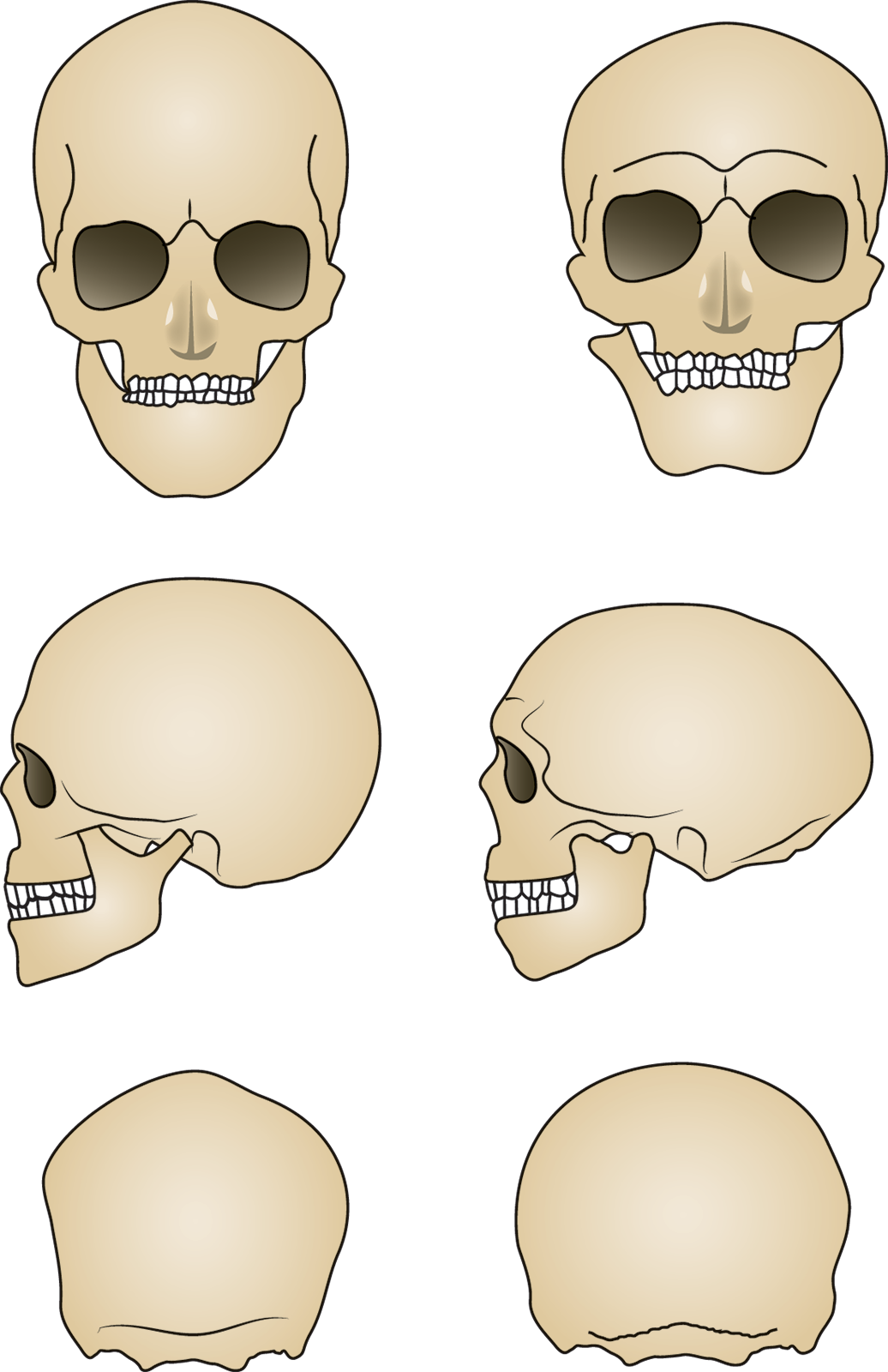
Figure 4.1. Skulls of H. sapiens (left) and H. neanderthalensis (right)
Information Processing Model
In the 1950s, much of science and engineering turned toward the production of computers and artificial intelligence. It was noted that certain steps were required in order to use a computer to store and process information. First, the information must be encoded in a language that the computer understands. Then, the information must be stored in such a way that it can be found later. Finally, the computer must be able to retrieve that information when required.
Psychologists took this model of information processing and applied it to the human brain. They theorized that the brain is somewhat like a computer. It must encode information into a series of chemical and electrical signals. Then, the brain must be able to store this information such that it can be retrieved when needed. Then, there must be a process by which the brain is able to retrieve information.
The manner in which information is encoded, stored, and retrieved has been a consistent source of debate. One prominent theory, Paivio’s dual-coding theory, states that both verbal association and visual images are used to process and store information. For example, the word “tree” can recall some information, and a picture of a tree can recall that same information. The fact that we can code this information in two different ways builds redundancy and increases the chance that the information can be retrieved and used effectively when cued, much like search engine optimization within a computer program.
However, the human brain is not a computer. While the computer analogy creates a simple paradigm by which information is processed by the brain, it does not tell the whole story. The human brain doesn’t just handle information in the form of facts: it also handles emotions, sensations such as smell and taste, as well as memories. As discussed in Chapter 3 of MCAT Behavioral Sciences Review, encoding, storage, and retrieval are often flavored by context and emotion.
BRIDGE
The key memory processes of encoding, storage, and retrieval are covered in Chapter 3 of MCAT Behavioral Sciences Review.
The information processing model has four key components, or pillars:
- Thinking requires sensation, encoding, and storage of stimuli.
- Stimuli must be analyzed by the brain (rather than responded to automatically) to be useful in decision making.
- Decisions made in one situation can be extrapolated and adjusted to help solve new problems (also called situational modification).
- Problem solving is dependent not only on the person’s cognitive level, but also on the context and complexity of the problem.
Cognitive Development
Cognitive development is the development of one’s ability to think and solve problems across the life span. Interestingly, during childhood, cognitive development is limited by the pace of brain maturation. Early cognitive development includes learning control of one’s own body as well as learning how to interact with and manipulate the environment. Early cognitive development is characterized by mastering the physical environment. As physical tasks are mastered, a new challenge looms for a developing child: abstract thinking. As discussed in Chapter 1 of MCAT Behavioral Sciences Review, social skills also develop during the lifetime.
As you will see during our review of Piaget’s stages of cognitive development, the development of the ability to think abstractly is developed throughout childhood. The development of abstract thinking is also dependent upon increases in working memory and mental capacities. As the brain develops, the ability to process information in an abstract manner also develops.
REAL WORLD
Abstract thought, the ability to think about things that are not physically present, can be lost in some mental disorders. For example, a common cognitive test with patients who have schizophrenia is to ask them to interpret a cliché, such as Don’t count your chickens before they hatch. These patients have concrete thinking and will give an answer focused on the chickens themselves—not the underlying concept.
Piaget’s Stages of Cognitive Development
Jean Piaget was one of the most influential figures in developmental psychology. Piaget’s model of cognitive development proposes that there are qualitative differences between the way that children and adults think, and that these differences can be explained by dividing the life span into four stages of cognitive development: sensorimotor, preoperational, concrete operational, and formal operational. Piaget believed that passage through each of these stages was a continuous and sequential process in which completion of each stage prepares the individual for the stage that follows.
KEY CONCEPT
Piaget’s stages of cognitive development:
- Sensorimotor
- Preoperational
- Concrete operational
- Formal operational
Before delving into the actual stages, we have to look at how Piaget explained learning. According to Piaget, infants learn mainly through instinctual interaction with the environment. For example, infants possess a grasping reflex. Through experience with this reflex, the infant learns that it is possible to grasp objects. Piaget referred to these organized patterns of behavior and thought as schemata. A schema can include a concept (What is a dog?), a behavior (What do you do when someone asks you your name?), or a sequence of events (What do you normally do in a sit-down restaurant?). As a child proceeds through the stages, new information has to be placed into the different schemata. Piaget theorized that new information is processed via adaptation. According to Piaget, adaptation to information comes about by two complementary processes: assimilation and accommodation. Assimilation is the process of classifying new information into existing schemata. If the new information does not fit neatly into existing schemata, then accommodation occurs. Accommodation is the process by which existing schemata are modified to encompass this new information.
The first stage in Piaget’s model is the sensorimotor stage, starting at birth and lasting until about two years of age. In this stage, a child learns to manipulate the environment in order to meet physical needs and learns to coordinate sensory input with motor actions (hence the name sensorimotor). To explore their surroundings, infants in the sensorimotor stage begin to exhibit two types of behavior patterns called circular reactions, named for their repetitive natures. Primary circular reactions are repetitions of body movements that originally occurred by chance, such as sucking the thumb. Usually such behaviors are repeated because the child finds these behaviors soothing. Secondary circular reactions occur when manipulation is focused on something outside the body, such as repeatedly throwing toys from a high chair. These behaviors are often repeated because the child gets a response from the environment, such as a parent picking up the dropped toy. The key milestone that ends the sensorimotor stage is the development of object permanence, which is the understanding that objects continue to exist even when out of view. Object permanence is the idea behind “peek-a-boo,” shown in Figure 4.2. This game is so entertaining to young infants because they lack object permanence. Each time an adult reveals the face from behind hands, the child interprets it as though the adult has just come into existence. Object permanence marks the beginning of representational thought, in which the child has begun to create mental representations of external objects and events.

Figure 4.2. Peek-a-Boo This game depends on the child being in the sensorimotor stage, prior to the development of object permanence.
The preoperational stage lasts from about two to seven years of age and is characterized by symbolic thinking and egocentrism. Symbolic thinking refers to the ability to pretend, play make-believe, and have an imagination. Egocentrism refers to the inability to imagine what another person may think or feel. The preoperational stage also includes the inability to grasp the concept of conservation, which is the understanding that a physical amount remains the same, even if there is a change in shape or appearance. For example, imagine a child presented with two equal quantities of pizza. On one plate is a single large slice, while the other plate has the exact same quantity in two slices. A child in the preoperational stage will be unable to tell that the quantities are equal and will focus mainly on the number of slices on the plate rather than the actual quantity. Piaget believed that this flaw in cognition was due to centration, which is the tendency to focus on only one aspect of a phenomenon, for example the number of slices, while ignoring other important elements.
The concrete operational stage lasts from about 7 to 11 years of age. In this stage, children can understand conservation and consider the perspectives of others. This consideration results in the loss of egocentrism. Additionally, they are able to engage in logical thought as long as they are working with concrete objects or information that is directly available. These children have not yet developed the ability to think abstractly.
The formal operational stage starts around 11 years of age, and is marked by the ability to think logically about abstract ideas. Generally coinciding with adolescence, this stage is marked by the ability to reason about abstract concepts and problem solve. The difference between this type of thought and concrete operations is illustrated by Piaget’s pendulum experiment. Children were given a pendulum in which they could vary the length of the string, the weight of the pendulum, the force of the push, and the initial angle of the swing. They were asked to find out what determined the frequency of the swing. Children in the concrete operational stage manipulated the variables at random and even distorted the data to fit preconceived hypotheses. Adolescents, on the other hand, were able to hold all variables but one constant at a given time, proceeding methodically to discover that only the length of the string affects the frequency. The ability to mentally manipulate variables in a number of ways, generally within the scope of scientific experiments, is an important component of the formal operational stage, and is termed hypothetical reasoning.
Role of Culture in Cognitive Development
Cognitive development is very much related to culture, as one’s culture will determine what one is expected to learn. Some cultures will place a higher value on social learning, including cultural traditions and roles, while other cultures will value knowledge. In addition, one’s culture will also influence the rate of cognitive development as children can be treated very differently from culture to culture.
BRIDGE
Culture has profound effects on cognitive development, as well as social structure, rules, and mores. Culture is discussed in detail in Chapter 11 of MCAT Behavioral Sciences Review.
Lev Vygotsky, a prominent educational psychologist, proposed that the engine driving cognitive development is children’s internalization of their culture, including interpersonal and societal rules, symbols, and language. As children develop, their skills and abilities are still in formative stages. With help from adults or other children, those skills can develop further. That help may come in the form of instruction from a teacher or even watching another child perform the skill.
BRIDGE
Lev Vygotsky is also a key figure in the psychology of identity. Along with Kohlberg, Freud, and Erikson, he proposed a staged system of identity formation. These theorists are discussed in Chapter 6 of MCAT Behavioral Sciences Review.
Cognitive Changes in Late Adulthood
Aging brings about many changes in cognition. Reaction time increases steadily in early adulthood, while time-based prospective memory—the ability to remember to perform a task at a specific time in the future—declines with age. Intellectual changes also occur; however, IQ changes have been found to be misleading. Early research into the field of intelligence and aging indicated that a substantial decline in IQ occurs between the ages of 30 and 40. In order to further elucidate what specific changes were occurring, intelligence itself was separated into two subtypes: fluid intelligence and crystallized intelligence. Fluid intelligence consists of solving new or novel problems, possibly using creative methods. Figuring out how to navigate through a new video game world involves the usage of fluid intelligence. Crystallized intelligence is more related to solving problems using acquired knowledge, and often can be procedural. For instance, working through a General Chemistry stoichiometry problem requires crystallized intelligence since it involves recall of the proper equations and the steps taken to work through the calculations. Fluid intelligence was shown to peak in early adulthood but decline with age, while crystallized intelligence peaked in middle adulthood and remains stable with age.
Decline in intellectual abilities in adulthood has been linked with how long an older adult retains the ability to function in what are known as activities of daily living (eating, bathing, toileting, dressing, and ambulation). It appears, however, that this decline is not uniform. Certain characteristics, such as higher level of education, more frequent performance of intellectual activities, socializing, and a stimulating environment have been found to be protective against intellectual decline.
Intellectual decline is not always benign. Some types of intellectual decline are very common and indicate a progressive loss of function beyond that of old age. Disorders and conditions that are characterized by a general loss of cognitive function are collectively known as dementia. Dementia often begins with impaired memory, but later progresses to impaired judgment and confusion. Personality changes are also very common as dementia progresses. The most common cause of dementia is Alzheimer’s disease. Vascular (multi-infarct) dementia, caused by high blood pressure and repeated microscopic clots in the brain, is also a very common cause. It is also important to note that people with dementia often require full-time supportive care in order to carry out activities of daily living. This causes tremendous stress on families, including children and spouses of those with dementia, as the care for the person with dementia often falls on family members.
REAL WORLD
Alzheimer’s disease accounts for approximately 60 to 80% of all dementia cases.
Heredity, Environment, and Biologic Factors
Cognition can be affected by a wide variety of conditions. These may include actual problems with the brain itself (organic brain disorders), genetic and chromosomal conditions, metabolic derangements, and long-term drug use. The environment can also affect both cognitive development and day-to-day cognition.
Parenting styles may influence cognitive development by reward, punishment, or indifference for an emerging skill. In addition, genetics can predispose to a state that may make cognitive development difficult. For example, many genetic and chromosomal diseases such as Down syndrome and Fragile X syndrome are associated with delayed cognitive development. Antisocial personality disorder has also been shown to have a strong genetic component. The presence of genes for this disorder may make it difficult for a child to appreciate the rights of others.
Intellectual disabilities in children can also be caused by chemical exposures, illness, injury, or trauma during birth. Alcohol use during pregnancy can cause fetal alcohol syndrome, which results in slowed cognitive development and distinct craniofacial features, shown in Figure 4.3. Infections in the brain may result in electrical abnormalities and slowed development. Complications during birth—especially those causing reduced oxygen delivery to the brain—may also affect cognition. Finally, reduced cognition can also occur following trauma to the brain, as occurs with shaken baby syndrome.

Figure 4.3. Craniofacial Features of Fetal Alcohol Syndrome
However, not all cognitive decline in adulthood is slow. If there has been a rapid decline in cognition, this may be the result of delirium. Delirium is rapid fluctuation in cognitive function that is reversible and caused by medical (nonpsychological) causes. It can be caused by a variety of issues, including electrolyte and pH disturbances, malnutrition, low blood sugar, infection, a drug reaction, alcohol withdrawal, and pain.
REAL WORLD
The delirium associated with alcohol withdrawal, called delirium tremens, can be life threatening. As a depressant, alcohol is the only major drug of abuse in which both overdose and withdrawal can be lethal.
MCAT CONCEPT CHECK 4.1
Before you move on, assess your understanding of the material with these questions.
- The three steps in the information processing model are:
- _________________________
- _________________________
- _________________________
____________________________
- A person brings a parent, who is an older adult, to the doctor. During the past two days, the parent has been overheard speaking to a spouse who has been deceased for four years. Prior to that, the parent was completely normal. The parent most likely has:
- List Piaget’s four stages of cognitive development and the key features of each.
Stage Key Features
4.2 Problem Solving and Decision Making
LEARNING OBJECTIVES
After Chapter 4.2, you will be able to:
- Identify examples of functional fixedness, mental sets, trial-and-error problem solving, algorithms, and deductive reasoning
- Recall key fallacies and biases, including base rate fallacy, disconfirmation principle, confirmation bias, overconfidence, and belief perseverance
- Describe models of intellectual functioning and tests of intellectual ability
- Explain the availability and representativeness heuristics
Every day you are faced with problems. Many of these problems you solve without any real conscious thought about what is happening. However, much like the scientific method, problem solving itself has a process. First, we must frame the problem; that is, we create a mental image or schematic of the issue. Then, we generate potential solutions and begin to test them. These potential solutions may be derived from a mental set, which is the tendency to approach similar problems in the same way. Once solutions have been tested, we evaluate the results, considering other potential solutions that may have been easier or more effective in some way.
KEY CONCEPT
The first step in problem solving (framing the problem) may seem obvious; however, when we get “stuck” on a problem, it is most often because the manner in which we have framed the problem is inefficient or not useful.
Problem solving can be impeded by an inappropriate mental set, as well as by functional fixedness, which is demonstrated by Duncker’s candle problem. Consider the following scenario: You walk into a room and see a box of matches, some tacks, and a candle. Your task is to mount the candle on the wall so that it can be used without the wax dropping on the floor. Before reading on, try to solve the problem.
Most people find the task challenging. You might have thought of tacking the candle to the wall, but that solution doesn’t work because the wax would still drop to the floor. The key is to realize that the matchbox can serve not just as a container for the matches, but as a holder for the candle. The solution, therefore, is to tack the box to the wall and put the candle in the box. Functional fixedness can thus be defined as the inability to consider how to use an object in a nontraditional manner.
Types of Problem Solving
In psychology, different approaches to problem solving include trial-and-error, algorithms, deductive reasoning, and inductive reasoning.
Trial-and-Error
Trial-and-error is a less sophisticated type of problem solving in which various solutions are tried until one is found that seems to work. While an educated approach may be used, this type of problem solving is usually only effective when there are relatively few possible solutions.
Algorithms
An algorithm is a formula or procedure for solving a certain type of problem. Algorithms can be mathematical or a set of instructions, designed to automatically produce the desired solution.
Deductive Reasoning
Deductive (top-down) reasoning starts from a set of general rules and draws conclusions from the information given. An example of deductive reasoning is a logic puzzle, as shown in Figure 4.4. In these puzzles, one has to synthesize a list of logical rules to come up with the single possible solution to the problem.
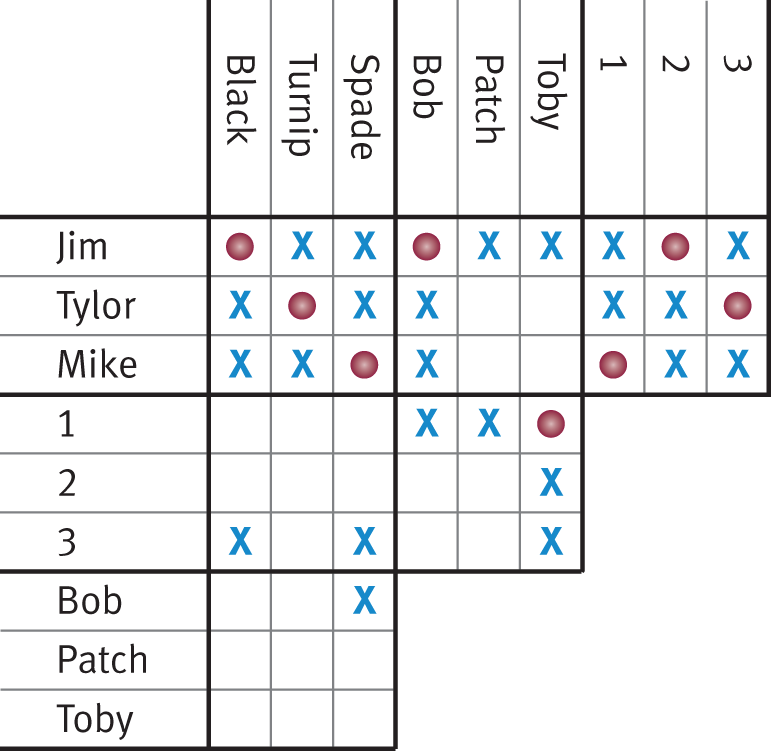
Figure 4.4. A Logic Puzzle Grid Logic puzzles are applications of deductive reasoning in which only one possible solution can be deduced based on the information given.
MCAT EXPERTISE
Remember that a deduction is a solution that must be true based on the information given. This is why answers on the MCAT that merely might be true (but don’t have to be) are never the correct answer.
Inductive Reasoning
Inductive (bottom-up) reasoning seeks to create a theory via generalizations. This type of reasoning starts with specific instances, and then draws a conclusion from them.
Heuristics, Biases, Intuition, and Emotion
We make decisions every day. Some are related to our daily routines: What should I wear today? Others concern our broader life goals: Where am I going to apply to medical school? Decision making is a complicated process, but we use a number of tools, such as heuristics, biases, intuition, and emotions, to speed up or simplify the process. While useful from a time and complexity standpoint, these tools can also lead us to short-sighted or problematic solutions.
Heuristics
Heuristics are simplified principles used to make decisions; they are colloquially called "rules of thumb." The availability heuristic is a heuristic used when we base the likelihood of an event on how easily examples of that event come to mind. Often, the use of this heuristic leads us to a correct decision, but not always. As an example, answer the following question: Are there more words in the English language that start with the letter “K” or that have “K” as their third letter?
Most people respond that there are more words that begin with the letter “K” than have “K” as their third letter. In fact, there are actually at least twice as many words in English that have “K” as the third letter than begin with “K.” Most people approach this question by trying to think of words that fit into each category. Because we so often classify words by their first letter, most people can easily think of words beginning with “K.” However, most people have a harder time thinking of words with "K" as their third letter. Thus, in this case, the availability heuristic tends to lead to an incorrect answer.
MCAT EXPERTISE
Detail questions on the MCAT often have wrong answer choices that are stated in the passage, but that fail to answer the question posed. According to the availability heuristic, students who do not truly problem solve on MCAT questions will be tempted by these familiar-sounding answers merely because they can recall that statement being mentioned in the passage. Don’t forget to use your Distillation effectively, as described in Chapter 6 of MCAT Critical Analysis and Reasoning Skills Review!
The representativeness heuristic involves categorizing items on the basis of whether they fit the prototypical, stereotypical, or representative image of the category. For example, consider a standard coin that is flipped ten times in a row and lands on heads every time. What is the probability of the coin landing on heads the next time? Mathematically, the probability must still be 50 percent, but most individuals will either overestimate the probability based on the pattern that has been established, or underestimate the probability with the logic that the number of heads and tails must “even out.” Hence, like the availability heuristic, the use of the representativeness heuristic can sometimes lead us astray. Using prototypical or stereotypical factors while ignoring actual numerical information is called the base rate fallacy.
While heuristics can lead us astray, they are essential to speedy and effective decision making. Heuristics are often used by experts in a given field. For instance, to win at chess, one must be able to think several moves ahead. On any particular turn, there may be 15 or 20 possible moves, each one of which may have multiple consequences; analyzing every possibility would take far too long. There are heuristics, however, that can quickly rule out some of the possible moves: the king must be protected, it is generally good to control the center squares, and pieces should not be put in danger when possible. In this way, heuristics provide a more efficient—although sometimes inaccurate—method for problem solving.
Bias and Overconfidence
When a potential solution to a problem fails during testing, this solution should be discarded. This is known as the disconfirmation principle: the evidence obtained from testing demonstrated that the solution does not work. However, the presence of a confirmation bias may prevent an individual from eliminating this solution. Confirmation bias is the tendency to focus on information that fits an individual’s beliefs, while rejecting information that goes against them. Confirmation bias also contributes to overconfidence, or a tendency to erroneously interpret one’s decisions, knowledge, and beliefs as infallible. An additional type of bias is hindsight bias, which is the tendency for people to overestimate their ability to predict the outcome of events that already happened. The similar phenomenon of belief perseverance refers to the inability to reject a particular belief despite clear evidence to the contrary. Together, confirmation bias, overconfidence, hindsight bias, and belief perseverance can seriously impede a person’s analysis of available evidence.
Intuition
Intuition can be defined as the ability to act on perceptions that may not be supported by available evidence. Often, people may have beliefs that are not necessarily supported by evidence, but that a person “feels” to be correct. Intuition is often developed by experience. For example, an emergency room physician, over the course of seeing thousands of patients with chest pain, may develop a keen sense of which patients are actually having a heart attack without even looking at an electrocardiogram (EKG) or a patient’s vital signs. This intuition can be more accurately described by the recognition-primed decision model: the doctor’s brain is actually sorting through a wide variety of information to match a pattern. Over time, the doctor has gained an extensive level of experience that can be accessed without awareness.
Emotion
Emotion is the subjective experience of a person in a certain situation. How a person feels often influences how a person thinks and makes decisions. For example, a person who is angry is often more likely to engage in more risky decision making. In addition, emotions in decision making are not limited to the emotion experienced while the decision is being made; emotions that a person expects to feel from a particular decision are also involved. For example, if people believe a car will make them feel more powerful, they may be more likely to purchase that car.
Intellectual Functioning
Intellectual functioning is a highly studied area of psychology. How is intelligence defined? What makes someone more intelligent than someone else? These are multifaceted questions that are difficult to answer; however, theorists have proposed models for some aspects of intelligence.
Theories of Intelligence
There has been much debate concerning the definition of intelligence. Howard Gardner’s theory of multiple intelligences is one of the most all-encompassing definitions, with at least eight defined types of intelligence: linguistic, logical–mathematical, musical, visual–spatial, bodily–kinesthetic, interpersonal, intrapersonal, and naturalist. Gardner argues that some cultures value the first two abilities over the others. After all, linguistic ability and logical–mathematical ability are the two abilities tested on traditional intelligence quotient (IQ) tests. Despite not being the central focus of the cultures Gardner discusses, people’s interpersonal and intrapersonal intelligence can heavily impact their quality of life. Interpersonal intelligence is the ability to detect and navigate the moods and motivations of others. Gardner believed that people with high interpersonal intelligence would make great sales representatives and therapists. While intrapersonal intelligence centers around being mindful of one’s own emotions, strengths, and weaknesses, which can provide clear guidance what role one should take in a group or society.
KEY CONCEPT
Gardner’s multiple intelligences include linguistic, logical–mathematical, musical, visual–spatial, bodily–kinesthetic, interpersonal, intrapersonal, and naturalist.
Robert Sternberg pioneered a cognitive perspective that focused on how people use their intelligence, rather than taking the traditional approach of trying to measure an individual’s level of intelligence. More specifically, Sternberg’s triarchic theory of human intelligence defines three subtypes: analytical intelligence, which involves the ability to evaluate and reason; creative intelligence, which is the ability to solve problems using novel methods; and practical intelligence, which involves dealing with everyday problems at home or at work.
Successful navigation of our social world also requires us to have a good understanding of both our own emotions and the emotions of those around us. The theory of emotional intelligence addresses our emotional awareness in four components: the ability to express and perceive emotions in ourself and others, the ability to comprehend and analyze our emotions, the ability to regulate our emotions, and awareness of how emotions shape our thoughts and decisions. Empathy is often given as an example of emotional intelligence because empathy requires individuals to understand their own emotions well enough to recognize those emotions in other people.
Variations in Intellectual Ability
There are a number of tests and studies that have historically attempted to quantify intelligence. A founding concept behind these tests is Charles Spearman’s “g factor,” or general intelligence factor. The theory behind the existence of a g factor is based on the observation that performance on different cognitive tasks is in many cases positively correlated, indicating an underlying factor or variable is playing a role. This underlying variable of intelligence is often measured with standardized tests that generate an intelligence quotient (IQ) for the test taker. IQ tests were largely pioneered by Alfred Binet in the early twentieth century. A professor at Stanford University took Binet’s work and created what is known as the Stanford–Binet IQ test.
BEHAVIORAL SCIENCES GUIDED EXAMPLE WITH EXPERT THINKING
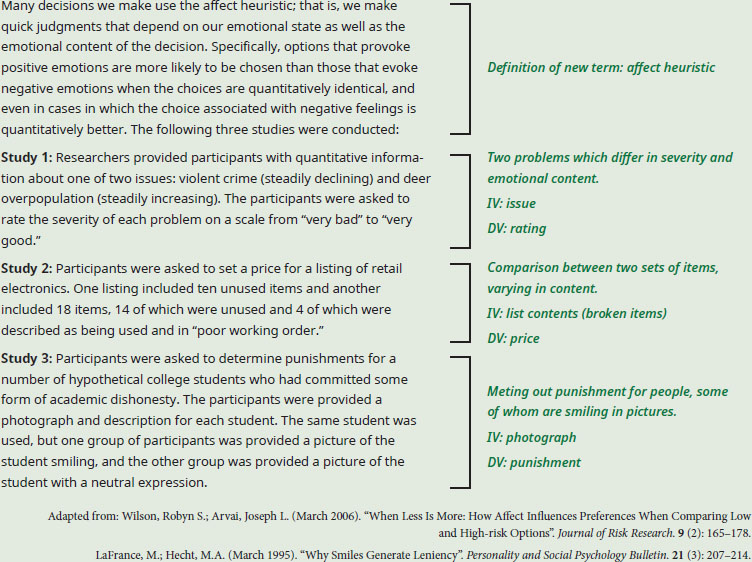
If the affect heuristic is shown to be a factor in each of the studies described, what can be predicted about the results of each?
When the MCAT asks us to predict the outcome of an experiment, we want to first consider any content, either from the passage or from our outside knowledge, that might be relevant. Fortunately, this passage provides us with what we need: a definition of the affect heuristic in paragraph one. For each study, then, you’ll want to select the result that prioritizes emotional content. For Study 1, the notion of “violent crime” likely provokes a strong negative feeling, while for most people, the idea of “deer overpopulation” would not be expected to be associated with the same emotional response. It is likely, then, that participants would rate violent crime as a worse problem than deer overpopulation regardless of the actual outcome of analyzing the quantitative impact of each issue. The same heuristic explains why people are more afraid of being attacked by a shark at the beach than of other, more likely causes of death, even though statistically injury or death by shark attack is extremely unlikely.
In Study 2, we would predict that the broken items would cause the second listing to be valued the same as or lower than the first listing, even though the second listing actually contains more items that are unused. This is because the additional broken items would be expected to provoke a negative feeling about the second listing. In fact, further research supports the idea that participants do not add up the value of each item separately, but rather evaluate heuristically what they perceive as an average value of the set of items as a whole.
Finally, in Study 3, we should expect that the smiling students were judged less harshly than those presented with a neutral expression. This is based on the same decision-making heuristic we’ve been using all along: the smiling student is more likely to be associated with positive emotions, and the decision is likely to be altered based on this emotional input.
To summarize: we should predict based on the affect heuristic that in Study 1 the violent crime will be rated as the more problematic of the two issues, that in Study 2 the batch of items containing broken goods will be rated as less valuable, and that in Study 3 the smiling student will be judged less harshly than the neutral student.
While later iterations of the test use different methodologies to arrive at a score, it is useful to know the original formula for calculating IQ:

Equation 4.1
Using this equation, a four-year-old with intelligence abilities at the level of the average six-year-old would have an IQ of 150. The distribution of IQ scores from the original study of the Stanford–Binet IQ test is shown in Figure 4.5.
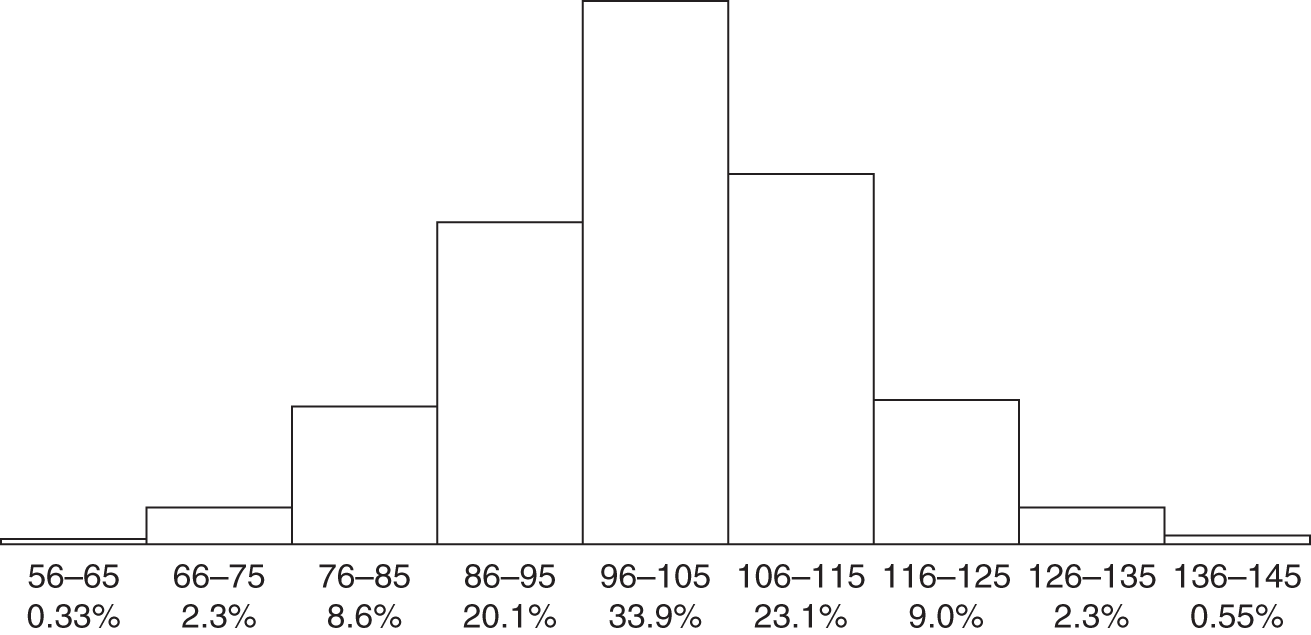
Figure 4.5. Distribution of IQ Scores for Children 5 to 14 Years of Age Mean = 100; SD = 15
Some theorists have argued heavily for intelligence as a hereditary trait, most notably Galton in his novel Hereditary Genius. In reality, variations in intellectual ability can be attributed to many determinants, including genes, environment, and educational experiences. Intellectual ability does appear to run in families, which may be due to both genetics and the environment; some environments are simply more enriching than others. Parental expectations, socioeconomic status, and nutrition have all been shown to correlate with intelligence.
REAL WORLD
The Stanford-Binet IQ test, while still popular, has been found to have variable levels of success in assessing intelligence with different ages and cultural groups. In practice, a variety of intelligence assessments can be found in use around the world. Some of these tests still use measures similar to IQ but are specialized for a subpopulation, such as the Wechsler Intelligence Scale for Children (WISC) exam. Other assessments eschew the concept of IQ entirely and instead follow alternative theories, including Gardner’s theory of multiple intelligences.
The educational system plays a significant role in the development of intelligence. Children who attend school tend to have greater increases in IQ, and IQ actually decreases slightly during summer vacations. Early intervention in childhood also improves IQ, especially for children in low-enrichment environments. Finally, both children with high IQs and those with cognitive disabilities benefit from specialized educational environments. For students with cognitive disabilities, this is often defined as the least restrictive environment, in which they are encouraged to participate as much as possible in the regular mainstream classroom, with individualized help as needed.
MCAT CONCEPT CHECK 4.2
Before you move on, assess your understanding of the material with these questions.
____________________________
- A child plays with a tool set, noting that a nail can only be hit with a hammer. When a friend suggests that the handle of a screwdriver can be used to hit a nail, the child passionately objects. This is an example of:
____________________________
- A doctor uses a flowchart to treat a patient with sepsis. Given its use in problem solving, a flowchart is an example of a(n):
- A patient in a mental health facility believes that the sky is pink. Despite several trips outside, the patient still declares the sky is pink. Which psychological principle does this represent? ____________________________
- Provide a brief definition of the availability and representativeness heuristics.
____________________________
- Availability heuristic:
____________________________
- Representativeness heuristic:
4.3 Consciousness
LEARNING OBJECTIVES
After Chapter 4.3, you will be able to:
- Identify the two hormones most associated with circadian rhythms
- Distinguish between dyssomnia and parasomnia
- Associate the stages of sleep with their EEG waveforms and other main features:
Consciousness is one’s level of awareness of both the world and one’s own existence within that world.
States of Consciousness
The accepted states of consciousness are alertness, sleep, dreaming, and altered states of consciousness. Technically, sleep and dreaming are also considered altered states, but we will consider these states separately from hypnosis, meditation, and drug-induced altered states of consciousness. Altered states of consciousness may also result from sickness, dementia, delirium, and coma.
Alertness
Alertness is a state of consciousness in which we are awake and able to think. In this state, we are able to perceive, process, access, and verbalize information. In the alert state, we also experience a certain level of physiological arousal, which is characterized by physiological reactions such as increased heart rate, breathing rate, blood pressure, and so on. Cortisol levels tend to be higher, and electroencephalogram (EEG) waves indicate a brain in the waking state.
Alertness is maintained by neurological circuits in the prefrontal cortex at the very front of the brain. Fibers from the prefrontal cortex communicate with the reticular formation (reticular activation system), a neural structure located in the brainstem, to keep the cortex awake and alert. A brain injury that results in disruption of these connections results in coma.
Sleep
Sleep is important to consider while studying for the MCAT or any other major exam. While it may be tempting to pull all-nighters in an attempt to maximize your test score, this may not be the best strategy for success. In fact, long-term sleep deprivation has been linked with diminished cognitive performance as well as the development of chronic diseases such as diabetes and obesity.
MCAT EXPERTISE
One of the best ways to enhance your recall and test performance is to maintain a regular schedule of sleep. Regular sleep, exercise, and a healthy diet help to make Test Day successful.
Stages of Sleep
Sleep is studied by recording brain wave activity occurring during the course of a night’s sleep. This is done with electroencephalography, or EEG, which records an average of the electrical patterns within different portions of the brain. There are four characteristic EEG patterns correlated with different stages of waking and sleeping: beta, alpha, theta, and delta waves. There is a fifth wave that corresponds to REM sleep, which is the time during the night when we have most of our dreams. These sleep stages form a complete cycle lasting about 90 minutes.
REAL WORLD
An electroencephalogram (EEG) is a test used to monitor electrical activity in the brain. It consists of 19 recording electrodes placed on the scalp for 20 to 40 minutes, or continuously in the inpatient setting. This technique is used to study sleep and to identify areas of unusual brain activity, as seen during seizures.
Beta and alpha waves characterize brain wave activity when we are awake and are shown in Figure 4.6. Beta waves have a high frequency and occur when the person is alert or attending to a mental task that requires concentration. Beta waves occur when neurons are randomly firing. Alpha waves occur when we are awake but relaxing with our eyes closed, and are somewhat slower than beta waves. Alpha waves are also more synchronized than beta waves.
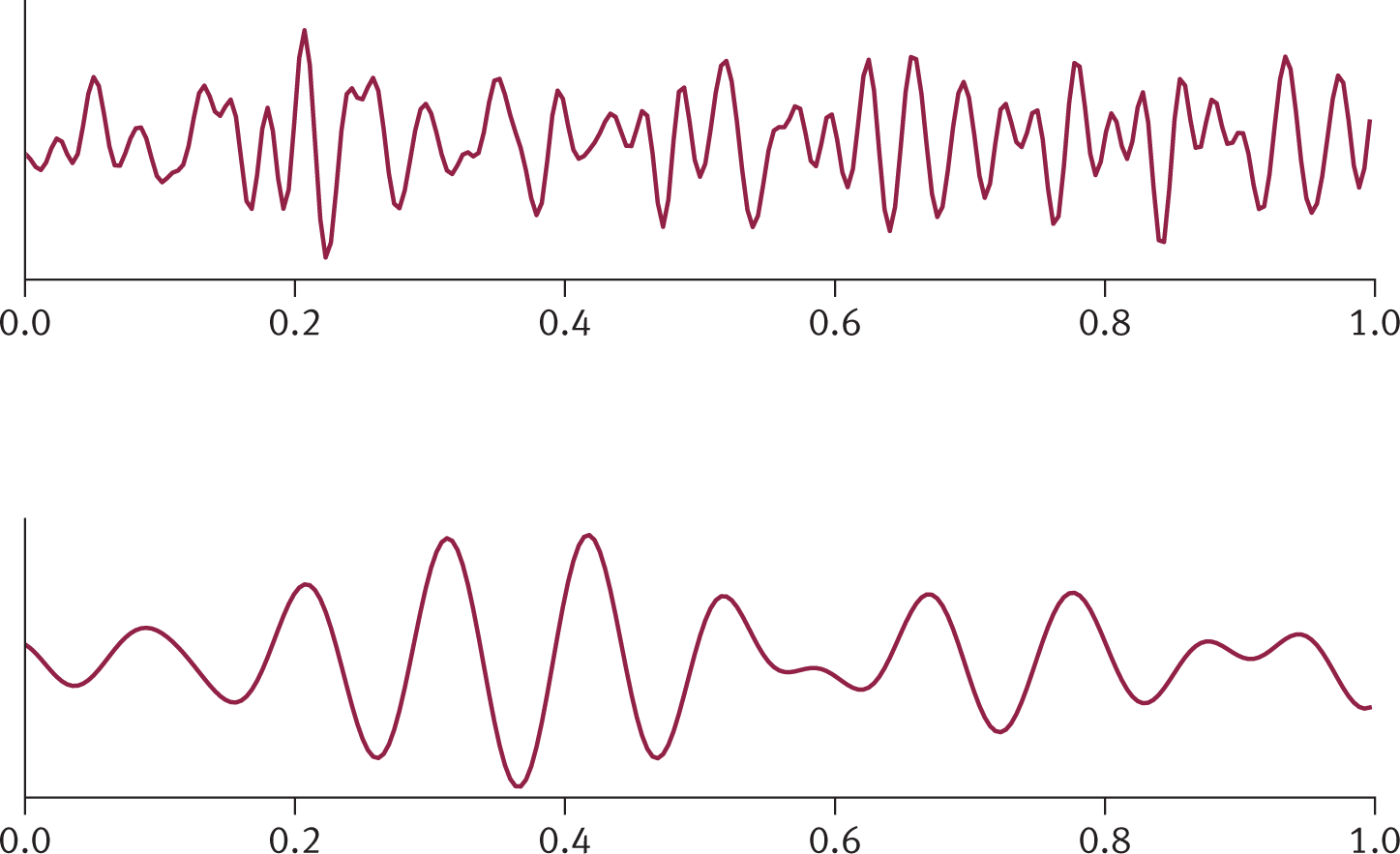
Figure 4.6. Beta (top) and Alpha (bottom) Waves on EEG Beta and alpha waves are seen during alertness.
As soon as you doze off, you enter Stage 1 (also known as NREM1), which is detected on the EEG by the appearance of theta waves, shown in Figure 4.7. At this point, EEG activity is characterized by irregular waveforms with slower frequencies and higher voltages.
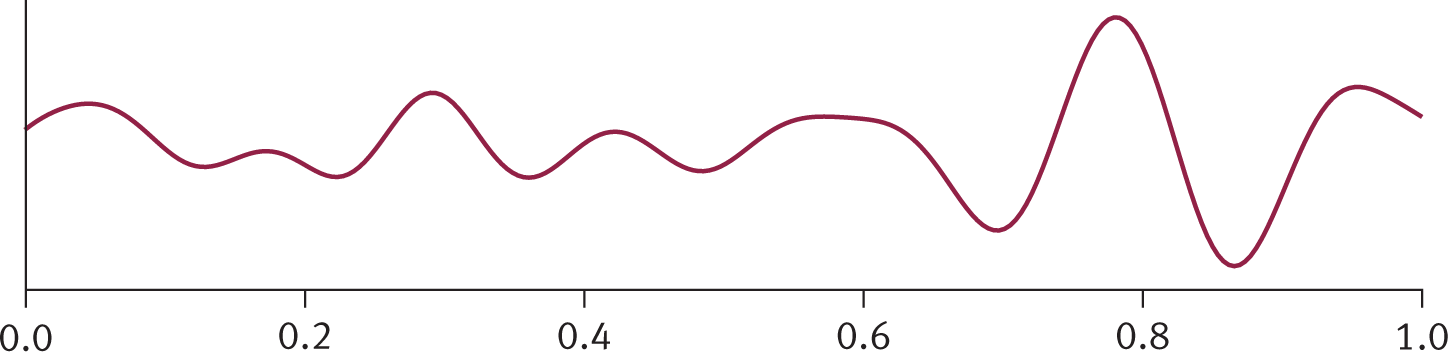
Figure 4.7. Theta Waves Theta waves are seen during Stage 1 and 2 sleep.
As you fall more deeply asleep, you enter Stage 2 (NREM2). The EEG shows theta waves along with sleep spindles, which are bursts of high-frequency waves, and K complexes, which are singular high-amplitude waves, shown in Figure 4.8.
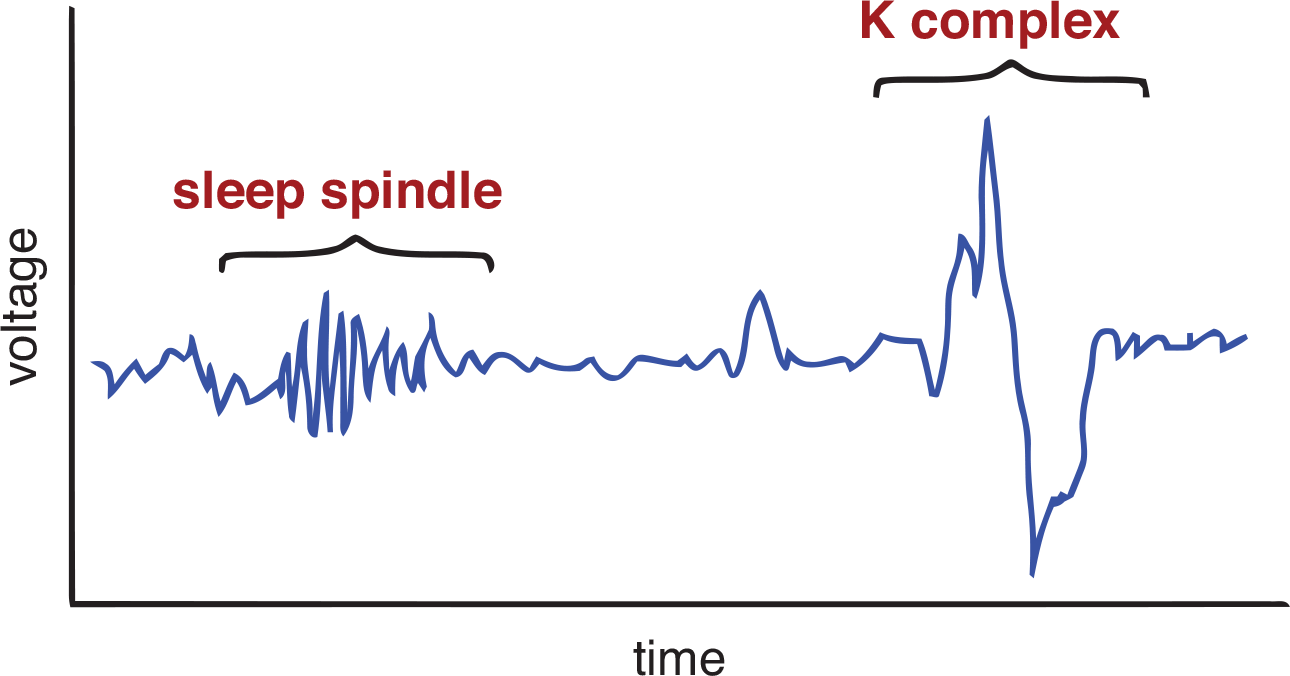
Figure 4.8. Sleep Spindle and K Complex in Stage 2 Sleep
As you fall even more deeply asleep, you enter Stage 3 (NREM3), also known as slow-wave sleep (SWS). EEG activity grows progressively slower until only a few sleep waves per second are seen. These low-frequency, high-voltage sleep waves are called delta waves, shown in Figure 4.9. During this stage, rousing someone from sleep becomes exceptionally difficult. SWS has been associated with cognitive recovery and memory consolidation, as well as increased growth hormone release.
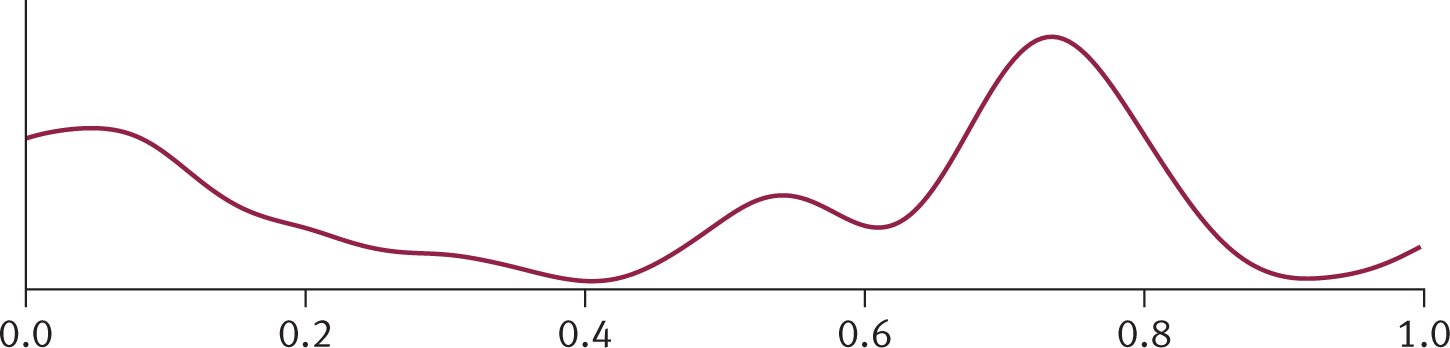
Figure 4.9. Delta Waves of Slow-Wave Sleep
The stages above are collectively called non-rapid eye movement sleep, which is where the acronym NREM comes from. Interspersed between cycles of the NREM stages is rapid eye movement (REM) sleep. In REM sleep, arousal levels reach that of wakefulness, but the muscles are paralyzed. REM sleep is also called paradoxical sleep because one’s heart rate, breathing patterns, and EEG mimic wakefulness, but the individual is still asleep. This is the stage in which dreaming is most likely to occur and is also associated with memory consolidation. Recent studies have associated REM more with procedural memory consolidation and SWS with declarative memory consolidation.
MNEMONIC
Remember the sequential order of these brain waves—beta, alpha, theta, delta—by combining their first letters to form BAT-D and remember that a bat sleeps during the day.
Sleep Cycles and Changes to Sleep Cycles
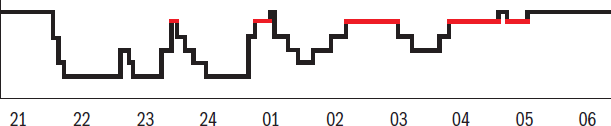
A sleep cycle refers to a single complete progression through the sleep stages. The makeup of a sleep cycle changes during the course of the night, as shown in Figure 4.10. Early in the night, SWS predominates as the brain falls into deep sleep and then into more wakeful states. Later in the night, REM sleep predominates.
Figure 4.10. Hypnogram of Sleep Cycles
Over the life span, the length of the sleep cycle increases from approximately 50 minutes in children to 90 minutes in adults. Children also spend more time in SWS than adults. Changes to sleep cycles from disrupted sleep or disordered work schedules can cause many health problems. Disruption of SWS and REM can result in diminished memory. Sleep deprivation also causes diminished cognitive performance, although the person who is sleep-deprived is unlikely to recognize that performance has been subpar. Sleep deprivation also negatively affects mood, problem solving, and motor skills.
Sleep and Circadian Rhythms
Our daily cycle of waking and sleeping is regulated by internally generated rhythms or circadian rhythms. In humans and other animals, the circadian rhythm approximates a 24-hour cycle that is somewhat affected by external cues such as light. Biochemical signals underlie circadian rhythms. Sleepiness can partially be attributed to blood levels of melatonin, a serotonin-derived hormone from the pineal gland. The retina has direct connections to the hypothalamus, which controls the pineal gland; thus, decreasing light can cause the release of melatonin.
Cortisol, a steroid hormone produced in the adrenal cortex, is also related to the sleep–wake cycle. Its levels slowly increase during early morning because increasing light causes the release of corticotropin-releasing factor (CRF) from the hypothalamus. CRF causes release of adrenocorticotropic hormone (ACTH) from the anterior pituitary, which stimulates cortisol release. Cortisol contributes to wakefulness.
MNEMONIC
Melatonin mellows you out. Cortisol helps you get up with the sun (sol is Latin for sun).
BRIDGE
The hypothalamic–pituitary–adrenal axis is an example of how the endocrine system can regulate behavior. The endocrine system is discussed in Chapter 5 of MCAT Biology Review.
Dreaming
Philosophers and those interested in the human experience have hypothesized about the purpose, meaning, and function of dreaming since antiquity. The ancient Egyptians believed that dreams were messages sent from the supernatural world to tell of future events. In ancient Greece, people believed dreams to carry messages from the gods, but the dream required the help of a priest to interpret. Dreams have long been a subject of wonder.
Most dreaming occurs during REM; however, soon after we enter Stage 2 sleep, our mental experience starts to shift to a dreamlike state. Throughout the night, approximately 75% of dreaming occurs during REM. REM dreams tend to be longer and more vivid than those experienced during NREM sleep.
While the purpose and meaning of dreams is not fully understood, a few theories have been proposed. In the activation–synthesis theory, dreams are caused by widespread, random activation of neural circuitry. This activation can mimic incoming sensory information, and may also consist of pieces of stored memories, current and previous desires, met and unmet needs, and other experiences. The cortex then tries to stitch this unrelated information together, resulting in a dream that is both bizarre and somewhat familiar. In the problem solving dream theory, dreams are a way to solve problems while you are sleeping. Dreams are untethered by the rules of the real world, and thus allow interpretation of obstacles differently than during waking hours. Finally, in the cognitive process dream theory, dreams are merely the sleeping counterpart of stream-of-consciousness. Just as you may be thinking about an upcoming weekend trip when your consciousness quickly shifts to your upcoming MCAT Test Day, so too does the content of a dream rapidly shift and change. Ultimately, the question is less Which group is right? and more How can we unify these theories? The study of dreaming is limited by the difference between the brain and the mind: dreaming must have a neurological component, but is still highly subjective. Neurocognitive models of dreaming seek to unify biological and psychological perspectives on dreaming by correlating the subjective, cognitive experience of dreaming with measurable physiological changes.
BRIDGE
Other psychologists have proposed explanations for dreams. One of the most notable is Freud, who separated dreams into their manifest content (what one actually sees and hears) and their latent content (the underlying significance of these dream elements). Freud’s model of personality is discussed in Chapter 6 of MCAT Behavioral Sciences Review.
Sleep-Wake Disorders
Sleep-wake disorders are divided into two categories: dyssomnias and parasomnias. Dyssomnias refer to disorders that make it difficult to fall asleep, stay asleep, or avoid sleep, and include insomnia, narcolepsy, and sleep apnea. Parasomnias are abnormal movements or behaviors during sleep, and include night terrors and sleepwalking. Most sleep-wake disorders occur during NREM sleep.
Insomnia is difficulty falling asleep or staying asleep. It is the most common sleep-wake disorder and may be related to anxiety, depression, medications, or disruption of sleep cycles and circadian rhythms. Narcolepsy, in contrast, is a condition characterized by lack of voluntary control over the onset of sleep. The symptoms of narcolepsy are unique and include cataplexy, a loss of muscle control and sudden intrusion of REM sleep during waking hours, usually caused by an emotional trigger; sleep paralysis, a sensation of being unable to move despite being awake; and hypnagogic and hypnopompic hallucinations, which are hallucinations when going to sleep or awakening. Another dyssomnia is sleep apnea, which is an inability to breathe during sleep. People with this disorder awaken often during the night in order to breathe. Sleep apnea can be either obstructive or central. Obstructive sleep apnea occurs when a physical blockage in the pharynx or trachea prevents airflow; central sleep apnea occurs when the brain fails to send signals to the diaphragm to breathe.
MNEMONIC
Hypnagogic hallucinations occur when one is going to bed. Hypnopompic hallucinations occur when one is popping up out of bed.
Night terrors, which are most common in children, are periods of intense anxiety that occur during slow-wave sleep. Children will often thrash and scream during these terrors, and will show signs of sympathetic overdrive, with a high heart rate and rapid breathing. Because these usually occur during SWS, the child experiencing the episode is very difficult to wake, and usually does not remember the dream the next morning. Sleepwalking, or somnambulism, also usually occurs during SWS. Some people who sleepwalk may eat, talk, have sexual intercourse, or even drive great distances while sleeping with absolutely no recollection of the event. Most return to their beds and awake in the morning, with no knowledge of their nighttime activities. Contrary to popular belief, awakening a person who is sleepwalking will not harm the person; however, it is generally suggested to quietly guide the individual back to bed to avoid disturbing SWS.
Sleep deprivation can result from as little as one night without sleep, or from multiple nights with poor-quality, short-duration sleep. Sleep deprivation results in irritability, mood disturbances, decreased performance, and slowed reaction time. Extreme deprivation can cause psychosis. While one cannot make up for lost sleep, people who are permitted to sleep normally after sleep deprivation often exhibit REM rebound, an earlier onset and greater duration of REM sleep compared to normal.
Hypnosis
Hypnosis, named after the ancient Greek god of sleep, Hypnos, was first documented in the eighteenth century. Hypnosis can be defined as a state in which a person appears to be in control of normal functions, but is in a highly suggestible state. In other words, a hypnotized person easily succumbs to the suggestions of others. Hypnosis starts with hypnotic induction, in which the hypnotist seeks to relax the subject and increase the subject’s level of concentration. Then, the hypnotist can suggest perceptions or actions to the hypnotized person. In practice, hypnosis is not the same as its sensationalized version in the media, in which a hypnotist will snap his fingers and cause an individual to exhibit bizarre behavior. Rather, hypnosis has been used successfully for pain control, psychological therapy, memory enhancement, weight loss, and smoking cessation. Brain imaging has indicated that hypnotic states are indeed real; however, effective hypnosis requires a willing personality and lack of skepticism on the part of the patient.
BRIDGE
Hypnosis has been used to recover repressed memories of trauma; however, these memories are not admissible in a court of law. This is because the suggestible state of hypnotism makes an individual vulnerable to creating false memories, which can be perceived as completely real. False memories are discussed in Chapter 3 of MCAT Behavioral Sciences Review.
Meditation
Defining meditation can be tricky and is highly dependent on the practitioners of meditation and their beliefs. Meditation has been a central practice in many religions. Meditation usually involves quieting of the mind for some purpose, whether spiritual, religious, or related to stress reduction. In the secular Western tradition, meditation is often used for counseling and psychotherapy because it produces a sense of relaxation and relief from anxiety and worrying. To that end, meditation causes physiological changes such as decreased heart rate and blood pressure. On EEG, meditation resembles Stage 1 sleep with theta and slow alpha waves.
MCAT EXPERTISE
Recent studies have demonstrated that mindful meditation not only improves psychological well-being, but may even help improve test scores and student performance. Take time for yourself while studying for the MCAT; keep your mind calm to keep it sharp.
MCAT CONCEPT CHECK 4.3
Before you move on, assess your understanding of the material with these questions.
- For each of the sleep stages below, list its EEG waveforms and main features.
Stage EEG Waves Features Awake Stage 1 Stage 2 Stage 3 Stage 4 REM
- Which two hormones are most associated with maintaining circadian rhythms?
- _________________________
- _________________________
- What is the difference between a dyssomnia and a parasomnia? Provide an example of each.
____________________________
- Dyssomnia:
_________________________
- Parasomnia:
4.4 Consciousness-Altering Drugs
LEARNING OBJECTIVES
After Chapter 4.4, you will be able to:
- List the drugs (or drug classes) known to increase GABA activity in the brain
- Recall the drugs (or drug classes) known to upregulate dopamine, norepinephrine, or serotonin activity
- Identify the three main structures in the mesolimbic reward pathway and the primary neurotransmitter of the pathway:
Consciousness-altering drugs, also known as psychoactive drugs, are generally described in four different groups: depressants, stimulants, opiates, and hallucinogens. Biologically speaking, marijuana has depressant, stimulant, and hallucinogenic effects, and will be considered separately.
Depressants
Depressants reduce nervous system activity, resulting in a sense of relaxation and reduced anxiety. Of the depressants, alcohol is certainly the most common. Another is sedatives, or "downers," which calm and induce sleep.
Alcohol
Alcohol has several different effects on the brain. It increases activity of the GABA receptor, a chloride channel that causes hyperpolarization of the membrane, as shown in Figure 4.11. This hyperpolarization causes generalized brain inhibition at the physiological level, resulting in diminished arousal at moderate doses. The changes in brain activity also cause changes in outward behavior. For example, excessive consumption of alcohol may be associated with a notable a lack of self-control known as disinhibition, which occurs because the centers of the brain that prevent inappropriate behavior are also depressed. Alcohol also increases dopamine levels, causing a sense of mild euphoria. At higher doses, brain activity becomes more disrupted. Logical reasoning and motor skills are affected, and fatigue may result. One of the main effects on logical reasoning is the inability to recognize consequences of actions, creating a short-sighted view of the world called alcohol myopia. Alcohol use is implicated in many automobile accidents, homicides (for both perpetrator and victim), and hospital admissions. Intoxication with alcohol is often measured using blood alcohol level.
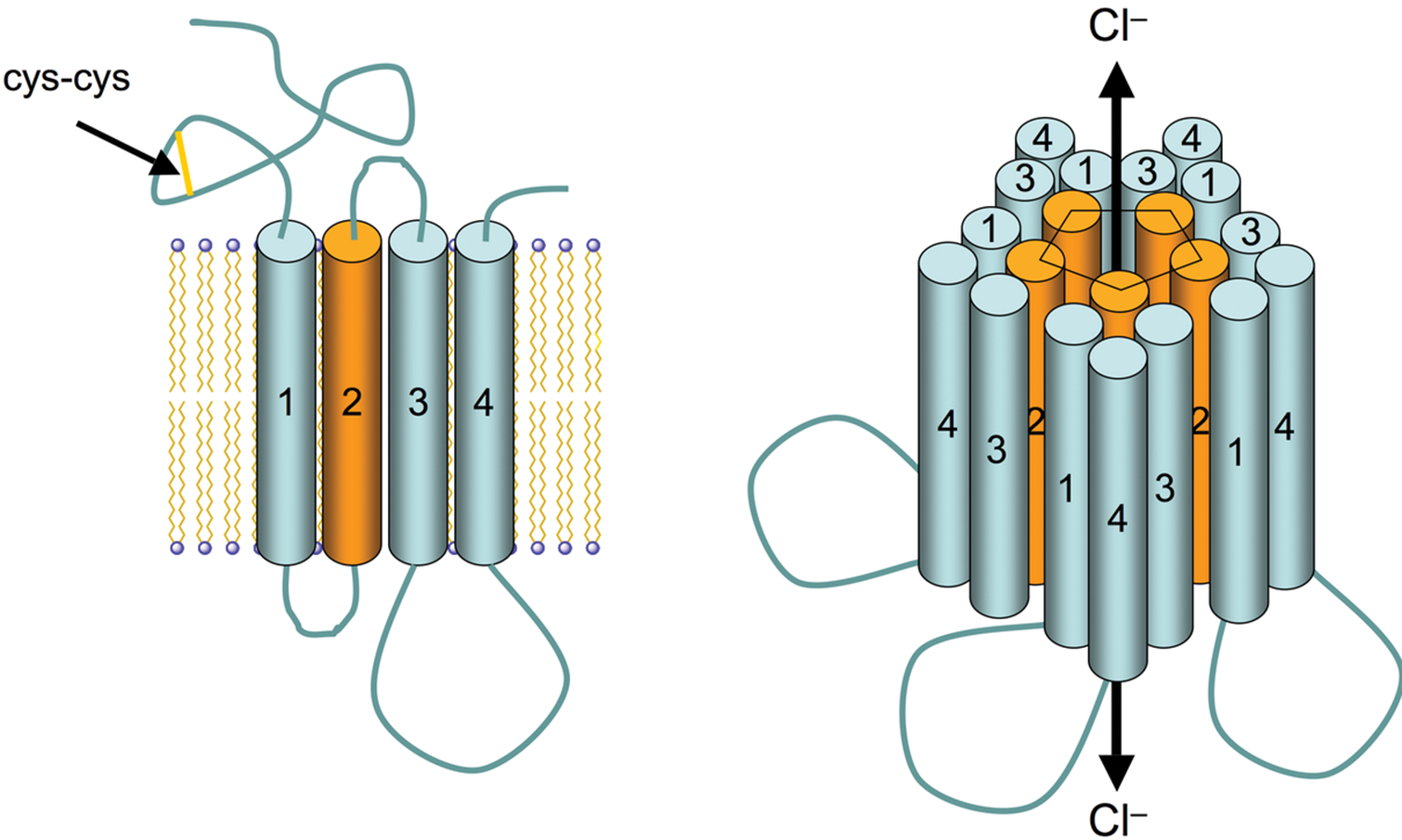
Figure 4.11. GABA Receptor GABA is the primary inhibitory neurotransmitter in the brain; its receptor is a chloride channel that causes hyperpolarization of the membrane.
Alcohol is one of the most widely abused drugs. Alcoholism rates tend to be higher for those of lower socioeconomic status (SES), but people with a lower SES who have alcoholism tend to enter recovery sooner and at higher rates. Alcoholism tends to run in families, and children of people with alcoholism are also likely to suffer from major depressive disorder. Long-term consequences of alcoholism include cirrhosis and liver failure, pancreatic damage, gastric or duodenal ulcers, gastrointestinal cancer, and brain disorders including Wernicke–Korsakoff syndrome, caused by a deficiency of thiamine (vitamin B1) and characterized by severe memory impairment with changes in mental status and loss of motor skills.
Sedatives
Sedatives tend to depress central nervous system activity, resulting in feelings of calm, relaxation, and drowsiness. Two types of sedatives are barbiturates and benzodiazepines. Barbiturates were historically used as anxiety-reducing (anxiolytic) and sleep medications, but have mostly been replaced by benzodiazepines, which are less prone to overdose. Barbiturates include amobarbital and phenobarbital; benzodiazepines include alprazolam, lorazepam, diazepam, and clonazepam. These drugs also increase GABA activity, causing a sense of relaxation. However, both of these drug types can be highly addictive. If taken with alcohol, overdoses of barbiturates or benzodiazepines may result in coma or death.
Stimulants
Stimulants cause an increase in arousal in the nervous system. Each drug increases the frequency of action potentials, but does so by different mechanisms.
Amphetamines
Amphetamines cause increased arousal by increasing release of dopamine, norepinephrine, and serotonin at the synapse and decreasing their reuptake. This increases arousal and causes a reduction in appetite and decreased need for sleep. Physiological effects include an increase in heart rate and blood pressure. Psychological effects include euphoria, hypervigilance (being “on edge”), anxiety, delusions of grandeur, and paranoia. Prolonged use of high doses of amphetamines can result in stroke or brain damage. People who take amphetamines often suffer from withdrawal after discontinuation, leading to depression, fatigue, and irritability.
Cocaine
Cocaine originates from the coca plant, grown in the high-altitude regions of South America. Cocaine can be purified from these leaves or created synthetically. Similar to amphetamines, cocaine also acts on dopamine, norepinephrine, and serotonin synapses, but cocaine decreases reuptake of the neurotransmitters instead. Hence, the effects of cocaine intoxication and withdrawal are therefore similar to amphetamines, as listed above. Cocaine also has anesthetic and vasoconstrictive properties, and is therefore sometimes used in surgeries in highly vascularized areas, such as the nose and throat. These vasoconstrictive properties can also lead to heart attacks and strokes when used recreationally. Crack is a form of cocaine that can be smoked. With quick and potent effects, this drug is highly addictive.
Ecstasy (3,4-methylenedioxy-*N*-methylamphetamine, MDMA)
Ecstasy, commonly called “E,” acts as a hallucinogen combined with an amphetamine. As a designer amphetamine, its mechanism and effects are similar to other amphetamines. Physiologically, ecstasy causes increased heart rate, increased blood pressure, blurry vision, sweating, nausea, and hyperthermia. Psychologically, ecstasy causes feelings of euphoria, increased alertness, and an overwhelming sense of well-being and connectedness. Ecstasy is an example of a club or rave drug, and is often packaged in colorful pills, as shown in Figure 4.12.

Figure 4.12. Pills of Ecstasy (MDMA)
Opiates and Opioids
Opiates and opioids are types of narcotics, also known as painkillers. Derived from the poppy plant, opium has been used and abused for centuries. Today, we have numerous drugs, used both recreationally and therapeutically, derived from opium. Naturally occurring forms, called opiates, include morphine and codeine. Semisynthetic derivatives, called opioids, include oxycodone, hydrocodone, and heroin. These compounds bind to opioid receptors in the peripheral and central nervous system. They act as endorphin agonists and cause a decreased reaction to pain and a sense of euphoria. Overdose, however, can cause death by respiratory suppression, in which the brain stops sending signals to breathe.
Heroin, or diacetylmorphine, was originally created as a substitute for morphine. Once injected, the body rapidly metabolizes heroin to morphine. Usually smoked or injected, heroin was once the most widely abused opioid; however, this designation has shifted to prescription opioids like oxycodone and hydrocodone. Treatment for opioid addiction may include use of methadone, a long-acting opioid with lower risk of overdose.
Hallucinogens
Hallucinogens are drugs which typically cause introspection, distortions of reality and fantasy, and enhancement of sensory experiences. Physiologic effects include increased heart rate and blood pressure, dilation of pupils, sweating, and increased body temperature. Examples of hallucinogens include lysergic acid diethylamide (LSD), shown in Figure 4.13, peyote, mescaline, ketamine, and psilocybin-containing mushrooms. The exact mechanism of most hallucinogens is unknown, but is thought to be a complex interaction between various neurotransmitters, especially serotonin.

Figure 4.13. Sheet of LSD Blotter Paper LSD is often sold on colorful paper, reflecting the fact that, like ecstasy, LSD is considered a club drug.
Marijuana
Marijuana, shown in Figure 4.14, primarily refers to the leaves and flowers of two plant species: Cannabis sativa and Cannabis indica. It has been the subject of many news reports in the last few years as many states move toward the legalization of marijuana for medical or recreational use. While talks about the legal status of marijuana in the United States are fairly recent, marijuana has been used for centuries, with the earliest known accounts originating from approximately 3 B.C.E.
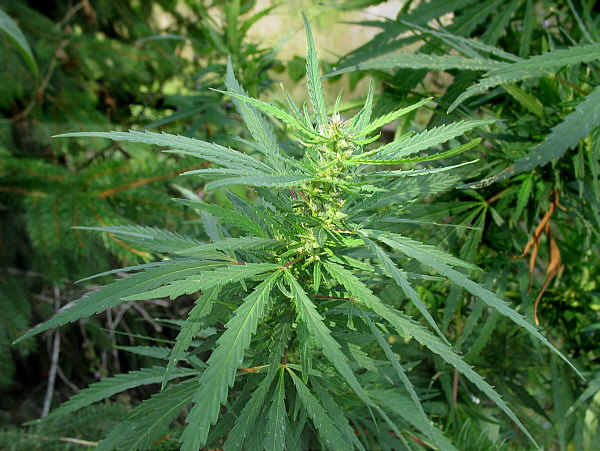
Figure 4.14. Cannabis
The active chemical in marijuana is known as tetrahydrocannabinol (THC). THC exerts its effects by acting at cannabinoid receptors, glycine receptors, and opioid receptors. How these receptors interact to create the “high” achieved from marijuana use is unknown. It is known, however, that THC inhibits GABA activity and indirectly increases dopamine activity (causing pleasure). Physiological effects are mixed, including eye redness, dry mouth, fatigue, impairment of short-term memory, increased heart rate, increased appetite, and lowered blood pressure. Psychologically, effects seem to fall into the categories of stimulant, depressant, and hallucinogen.
Drug Addiction
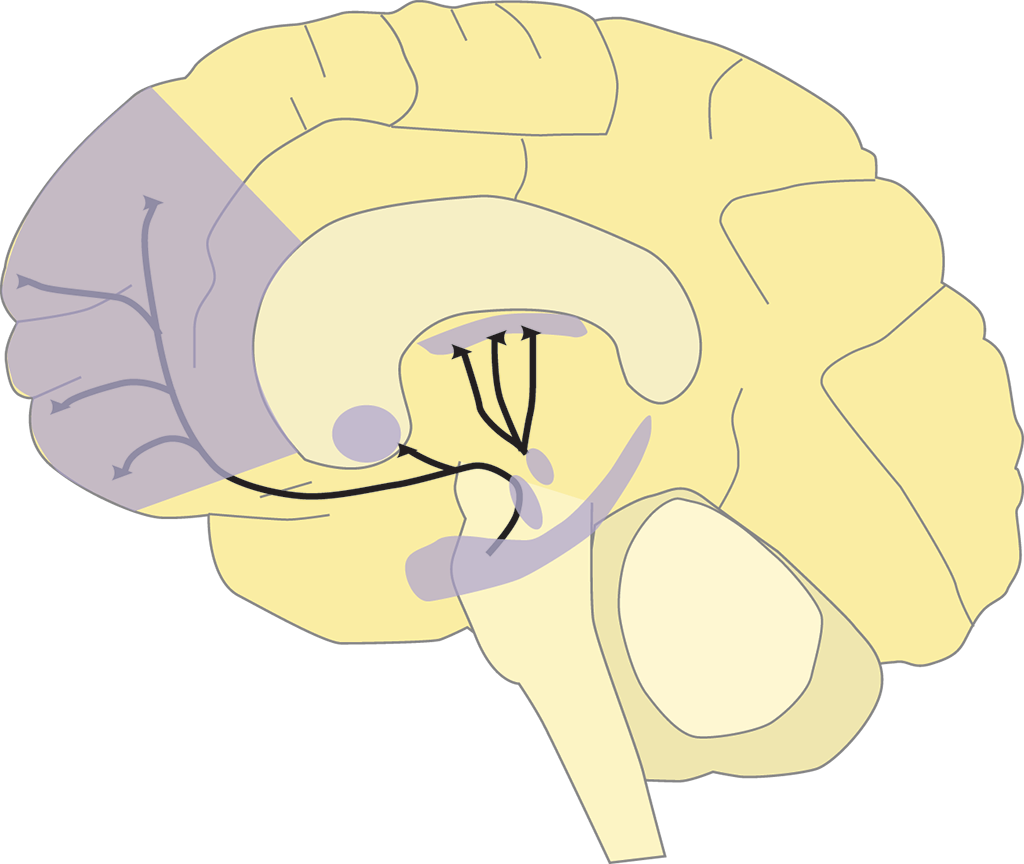
Drug addiction is highly related to the mesolimbic reward pathway, one of four dopaminergic pathways in the brain, as shown in Figure 4.15. This pathway includes the nucleus accumbens (NAc), the ventral tegmental area (VTA), and the connection between them called the medial forebrain bundle (MFB). This pathway is normally involved in motivation and emotional response, and its activation accounts for the positive reinforcement of substance use. This addiction pathway is activated by all substances that produce psychological dependence. Gambling and falling in love also activate this pathway.
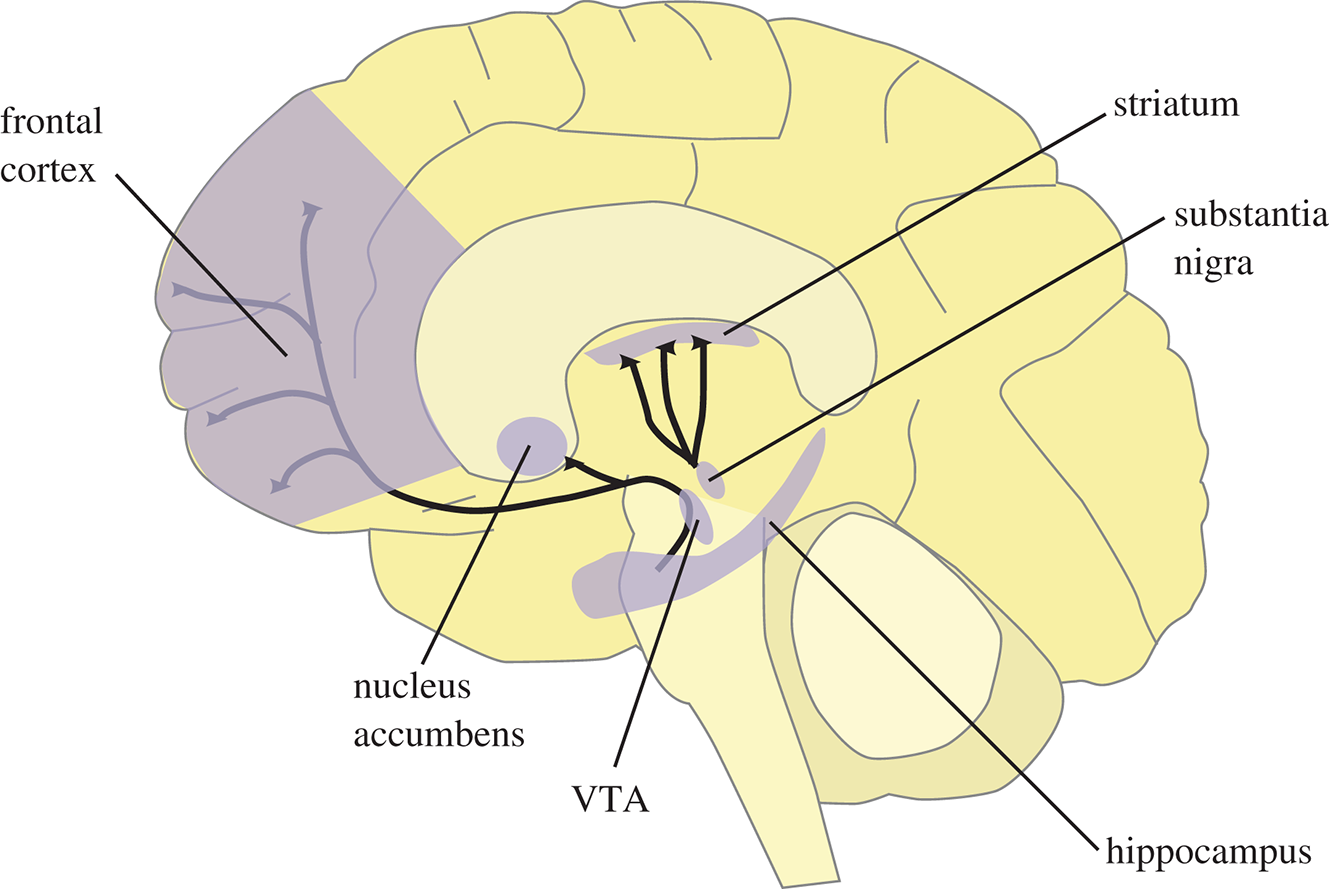
Figure 4.15. Dopaminergic Pathways in the Brain The reward pathway is composed of the nucleus accumbens, ventral tegmental area (VTA), and the medial forebrain bundle between them (not labeled).
MCAT CONCEPT CHECK 4.4
Before you move on, assess your understanding of the material with these questions.
- Which three drugs (or drug classes) are known to increase GABA activity in the brain?
- _________________________
- _________________________
- _________________________
- Which three drugs (or drug classes) are known to increase dopamine, norepinephrine, and serotonin activity in the brain?
- _________________________
- _________________________
- _________________________
- What are the three main structures in the mesolimbic reward pathway? What is this pathway’s primary neurotransmitter?
____________________________
- Structure:
____________________________
- Structure:
____________________________
- Structure:
_________________________
- Neurotransmitter:
4.5 Attention
LEARNING OBJECTIVES
After Chapter 4.5, you will be able to:
- Compare and contrast controlled processing and automatic processing
- Describe the role of the “filter” used in selective attention
Attention refers to concentrating on one aspect of the sensory environment, or sensorium. While this definition is straightforward, an understanding of how attention works and the mechanism by which we can shift our attention from one set of stimuli to another is still somewhat unclear.
Selective Attention
Selective attention is focusing on one part of the sensorium while ignoring other stimuli. It therefore acts as a filter between sensory stimuli and our processing systems. If a stimulus is attended to, it is passed through a filter and analyzed further. If the stimulus is not attended to, it is lost. In its original conceptualization, selective attention was viewed as an all-or-nothing process: if we choose a particular stimulus to give our attention to, the other stimuli are lost. However, recent evidence indicates that this is not the case.
Imagine this: You are at a party, talking with a friend. However, your ears perk up when you hear your name spoken halfway across the room. Even though you were engaged in conversation and presumably paying attention, you were able to perceive your name being mentioned. This is sometimes called the cocktail party phenomenon and is evidence of a different interpretation of selective attention. Selective attention is probably more of a filter that allows us to focus on one thing while allowing other stimuli to be processed in the background. Only if the other stimuli are particularly important—one’s name being mentioned, a sudden flash of light, pain—do we shift our attention to them.
Dichotic listening tests are designed to test selective attention. Participants are given headphones that have distinct auditory stimuli going to each ear. Participants are then asked to pay attention to either or both stimuli, then asked to repeat out loud what they heard in the attended ear, which is termed shadowing. This task tests selective attention because participants are asked to filter out information from the unattended ear. Alternatively, the task can test whether participants can subconsciously gain information from the unattended ear.
Divided Attention
Divided attention is the ability to perform multiple tasks at the same time. Most new or complex tasks require undivided attention and utilize controlled (effortful) processing, discussed in Chapter 3 of MCAT Behavioral Sciences Review. In contrast, familiar or routine actions can be performed with automatic processing, which permits the brain to focus on other tasks with divided attention. Consider learning to drive: at first, drivers intensely grip the steering wheel and pay undivided attention to the road ahead. But as you become more accustomed to driving, you can relegate some aspects of driving—like knowing how hard to push on the pedal—to automatic processing. This lets a driver perform secondary tasks such as changing the radio station. That being said, automatic processing is far from perfect. It does not allow for innovation or rapid response to change, which may contribute to the high incidence of car accidents that result from distracted driving.
MCAT CONCEPT CHECK 4.5
Before you move on, assess your understanding of the material with these questions.
- Compare and contrast controlled (effortful) processing and automatic processing:
_________________________
- Controlled (effortful) processing:
_________________________
- Automatic processing:
__________________________ __________________________
- Briefly describe the function of the “filter” used in selective attention:
4.6 Language
LEARNING OBJECTIVES
After Chapter 4.6, you will be able to:
- Recall the expected milestones of language development and the ages at which they should occur
- Identify the primary characteristics of the nativist, behaviorist, and social interactionist theories of language development
- Describe the symptoms and brain regions associated with Broca’s, Wernicke’s, and conduction aphasia:
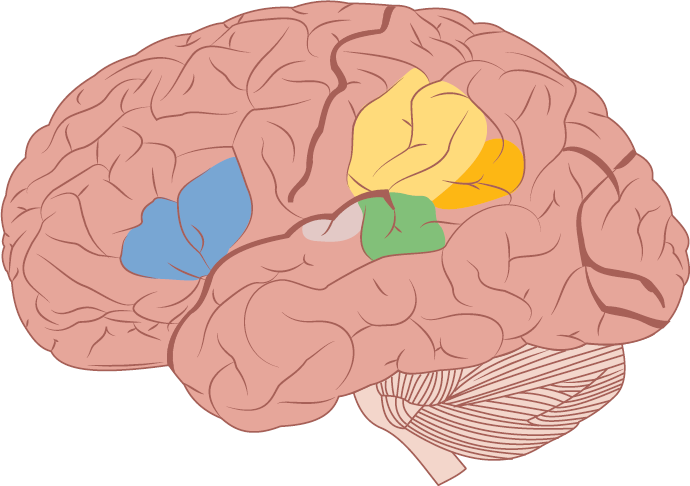
Whether it is written, spoken, or signed, language is fundamental to the creation of communities. As humans began to live in groups, the ability to communicate became essential. Division of labor and a sense of shared history require that the meaning of the language be the same for all speakers of the language.
Components of Language
There are five basic components of language: phonology, morphology, semantics, syntax, and pragmatics.
Phonology
Phonology refers to the actual sound of language. There are about 40 speech sounds or phonemes in English, although many more exist in other languages, as shown in Figure 4.16. Children must learn to produce and recognize the sounds of language, separating them from environmental noises and other human-created sounds, like coughing. Additionally, when a language has subtle differences in speech sounds that represent a change in meaning, children learn to distinguish those phonemes; this ability is called categorical perception. The ability to recognize a word as being the same, even if the pronunciation of the word varies between people is an auditory example of constancy, which is described in Chapter 2 of MCAT Behavioral Sciences Review.
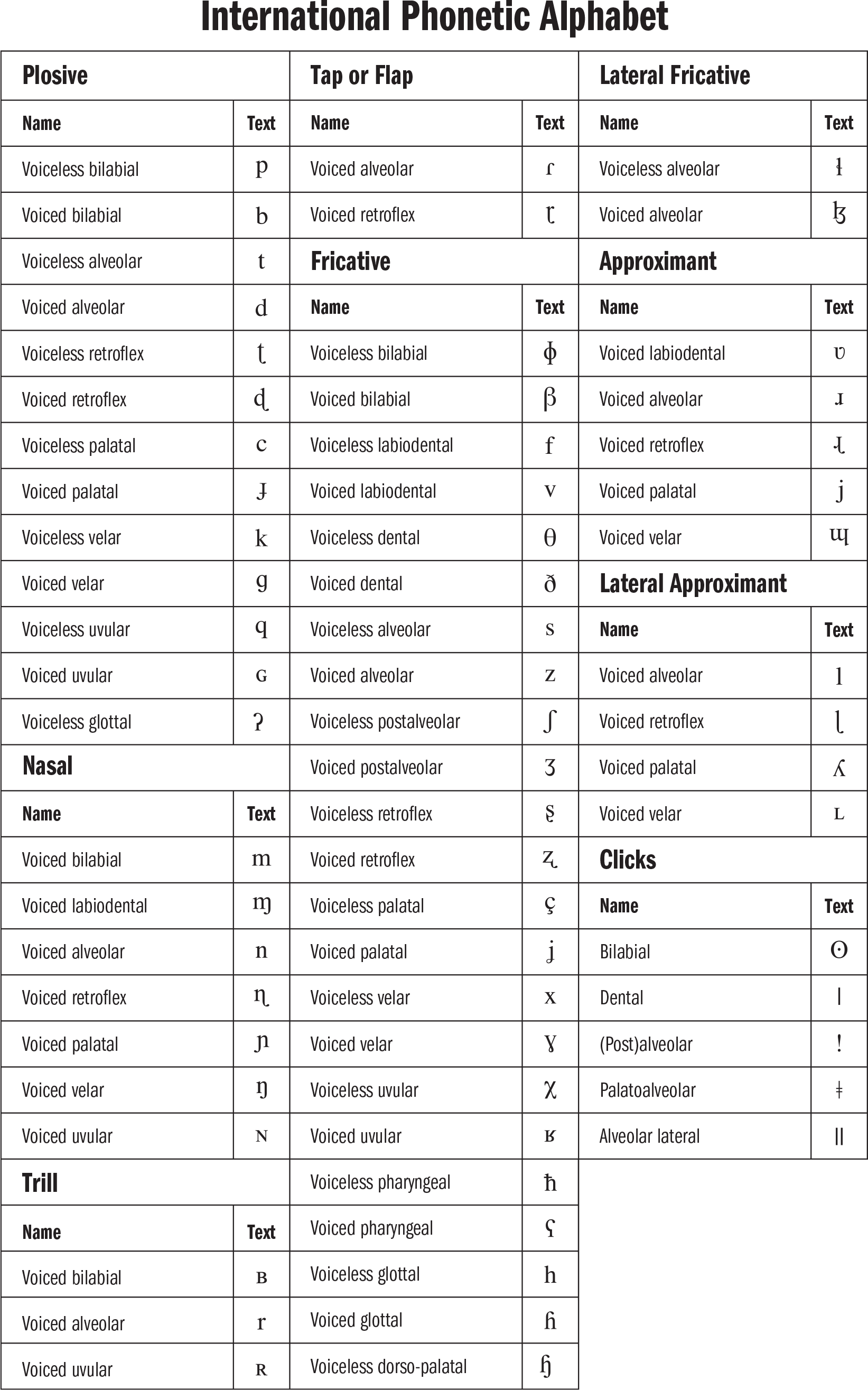
Figure 4.16. A Section of the International Phonetic Alphabet The IPA is an unambiguous system of writing all of the known phonemes of all human languages.
Morphology
Morphology refers to the structure of words. Many words are composed of multiple building blocks called morphemes, each of which connotes a particular meaning. Consider the word redesigned, which can be broken into three morphemes: re–, indicating to do again; –design–, the verb root; and –ed, indicating an action in the past.
Semantics
Semantics refers to the association of meaning with a word. A child must learn that certain combinations of phonemes represent certain physical objects or events, and that words may refer to entire categories, such as animal, while others refer to specific members of categories, such as doggy. One can see this skill developing in young children as they may refer to all animals as doggy.
Syntax
Syntax refers to how words are put together to form sentences. A child must notice the effects of word order on meaning: Nathan has only three pieces of candy has a very different meaning than Only Nathan has three pieces of candy.
Pragmatics
Finally, pragmatics refers to the dependence of language on context and preexisting knowledge. In other words, the manner in which we speak may differ depending on the audience and our relationship to that audience. Imagine asking to share a seat on a bus. Depending on whom we ask, we may word this request in wildly different ways. To a stranger, we may be more formal: Pardon me, do you mind if I share this seat? To a close friend, we may be less so: Hey, move over! Pragmatics are also affected by prosody—the rhythm, cadence, and inflection of our voices.
Language Development
To effectively interact with society, a child must learn to communicate through language, whether oral or signed. An important precursor to language is babbling. Almost without exception, children—including children who are hearing impaired—spontaneously begin to babble during their first year. For children who can hear, babbling reaches its highest frequency between nine and twelve months. For children who are hearing impaired or deaf, verbal babbling often ceases soon after it begins.
The timeline of language acquisition is fairly consistent among children. From 12 to 18 months, children add about one word per month. Starting around 18 months, an explosion of language begins. During this naming explosion, the child quickly learns dozens of words, and uses each word with varying inflection and gestures to convey a desired meaning. For example, a child may ask, Apple? while pointing at an apple in a bowl of fruit, in an effort to request the apple. During this naming explosion, children may also frequently fall into overextension, in which they inappropriately apply a term to an object that bears cursory similarities to the term. For example, in an attempt to request a kiwi from a fruit bowl, a child might point at the kiwi and ask, Apple? For children at this age, gestures, inflection, and context are essential for the parent or caregiver to identify the meaning.
KEY CONCEPT
Timeline of language acquisition:
- 9 to 12 months: babbling
- 12 to 18 months: about one word per month
- 18 to 20 months: “explosion of language” and combining words
- 2 to 3 years: longer sentences (3 words or more)
- 5 years: language rules largely mastered
Between 18 and 20 months of age, children begin to combine words. For example, children may say, Eat apple to indicate that they would like to eat an apple. In the grocery store, the same children may ask, That apple? to distinguish between fruit. In this way, context and gesture becomes less important as the ability to assemble sentences develops.
By the age of two or three years, children can speak in longer sentences. Vocabulary grows exponentially. As a child creates longer sentences, grammatical errors increase as the child internalizes the complex rules of grammar. These include errors of growth in which a child applies a grammatical rule (often a morpheme) in a situation where it does not apply: runned instead of ran, or funner instead of more fun. Interestingly, caregivers are less likely to correct errors of grammar than errors of word choice.
REAL WORLD
Pediatricians often monitor language development to determine if there is a developmental delay. For example, a two-year-old child who uses fewer than 10 words has a significant developmental delay and should be referred for speech therapy. This would also prompt a search for other developmental issues.
For the most part, language is substantially mastered by the age of five. The acquisition of language appears easy for most children, which has led to significant speculation on exactly how this occurs.
Nativist (Biological) Theory
The nativist (biological) theory, largely credited to linguist Noam Chomsky, advocates for the existence of some innate capacity for language. Chomsky is known for his study of transformational grammar. He focused on syntactic transformations, or changes in word order that retain the same meaning; for example, I took the MCAT vs. The MCAT was taken by me. Chomsky noted that children learn to make such transformations effortlessly at an early age. He therefore concluded that this ability must be innate. In this theory, this innate ability is called the language acquisition device (LAD), a theoretical pathway in the brain that allows infants to process and absorb language rules.
Nativists believe in a critical period for language acquisition between two years and puberty. If no language exposure occurs during this time, later training is largely ineffective. This idea came to light through an unfortunate test case: a victim of child abuse. This child had been isolated from all human contact from age two to thirteen, when she was discovered by authorities. Even with later language exposure, she was unable to master many rules of language, although she was able to learn some aspects of syntax. The fact that this child was able to learn some rules may indicate that there is a sensitive period for language development, rather than a critical period. A sensitive period is a time when environmental input has maximal effect on the development of an ability. Most psychologists consider the sensitive period for language development to be before the onset of puberty.
Learning (Behaviorist) Theory
The learning (behaviorist) theory, proposed by B. F. Skinner, explained language acquisition by operant conditioning. Very young babies are capable of distinguishing between phonemes of all human languages, but by six months of age show a strong preference for phonemes in the language spoken by their parents. Skinner explained language acquisition by reinforcement. That is, caregivers repeat and reinforce sounds that sound most like the language they speak. Thus, over time, the infant perceives that certain sounds have little value and are not reinforced, while other sounds have value and are reliably reinforced by caregivers. While this may account for the development of words and speech, many psycholinguists point out that this theory cannot fully explain the explosion in vocabulary that occurs during early childhood.
Social Interactionist Theory
The social interactionist theory of language development focuses on the interplay between biological and social processes. That is, language acquisition is driven by the child’s desire to communicate and behave in a social manner, such as interacting with caretakers and other children. Interactionist theory allows for the role of brain development in the acquisition of language. As the biological foundation for language develops and children are exposed to language, the brain groups sounds and meanings together. Then, as the child interacts with others, certain brain circuits are reinforced, while others are de-emphasized, resulting in atrophy of those circuits.
Influence of Language on Cognition
Psycholinguistics has long focused on the relationship between language and thinking. Linguist Benjamin Whorf proposed the Whorfian hypothesis, also called the linguistic relativity hypothesis, which suggests that our perception of reality—the way we think about the world—is determined by the content of language. In essence, language affects the way we think rather than the other way around. For instance, some Inuit dialects have a wide variety of names for different types of snow, whereas the English language has very few. Therefore, according to the Whorfian hypothesis, people who speak one of those Inuit dialects are better at discriminating subtleties between different types of snow than English speakers are. This is a somewhat controversial notion that depends on the definition of “a word” but most linguists agree that language can influence how we think to some degree. Word choice, inflection, context, and speaker all play a role in our perception of a message. In addition, language often provides an original framework for understanding information. A more expansive framework with more specific vocabulary allows for more sophisticated processing of that information and enhanced communication of that information to others.
Brain Areas and Language
Two different areas of the brain are responsible for speech production and language comprehension, as shown in Figure 4.17. Both, however, are located in the dominant hemisphere, which is usually the left hemisphere. Broca’s area, located in the inferior frontal gyrus of the frontal lobe, controls the motor function of speech via connections with the motor cortex. Wernicke’s area, located in the superior temporal gyrus of the temporal lobe, is responsible for language comprehension. Broca’s area and Wernicke’s area are connected by the arcuate fasciculus, a bundle of axons that allows appropriate association between language comprehension and speech production.
Figure 4.17. Brain Areas Associated with Language Blue = Broca’s area; Green = Wernicke’s area. Other colored regions are associated with other aspects of language beyond the scope of the MCAT (yellow = supramarginal gyrus; orange = angular gyrus; light pink = primary auditory cortex).
Aphasia is a deficit of language production or comprehension. Much of what we know regarding language and aphasia is through observations of people with damage to speech-related areas. When damage occurs to Broca’s area, speech comprehension is intact but the patient will have a reduced or absent ability to produce spoken language. This is known as Broca’s (expressive) aphasia. These patients are often very frustrated because they are stuck with the sensation of having every word on the tip of their tongue.
On the other hand, when Wernicke’s area is damaged, motor production and fluency of speech is retained but comprehension of speech is lost. This is known as Wernicke’s (receptive) aphasia. Because speech comprehension is lost, these patients speak nonsensical sounds and inappropriate word combinations devoid of meaning. Patients with Wernicke’s aphasia often believe that they are speaking and understanding perfectly well, even though the people around them have no comprehension of what is being said. This can also be very frustrating to patients.
Finally, if the arcuate fasciculus is affected, the resulting aphasia is known as conduction aphasia. Because Broca’s and Wernicke’s areas are unaffected, speech production and comprehension are intact. However, the patient is unable to repeat something that has been said because the connection between these two regions has been lost. This is a very rare form of aphasia.
MCAT CONCEPT CHECK 4.6
Before you move on, assess your understanding of the material with these questions.
- For each of the ages below, list the expected milestone(s) of language development:
Age Milestone(s) 9 to 12 months 12 to 18 months 18 to 20 months 2 to 3 years 5 years
- For each of the theories of language acquisition below, what is the primary motivation or trigger for language development?
____________________________
- Nativist (Biological):
____________________________
- Learning (Behaviorist):
_________________________
- Social interactionist:
- Briefly describe the clinical features of each type of aphasia listed below:
____________________________
- Broca’s aphasia:
____________________________
- Wernicke’s aphasia
_________________________
- Conduction aphasia:
Conclusion
One of the biggest questions that psychology and biology seek to answer is how the brain, an organ consisting of lipids, water, and neurotransmitters, becomes the mind. Cognition and consciousness allow us to think about who we are, where we are, and what we are doing at a given moment, and this all occurs due to a complex interaction between individual neurons within the brain. Not only do we experience consciousness, but our behaviors are also intricately intertwined with physiological brain function. Language is one of the most complex cognitive processes, requiring intact comprehension and production mechanisms and an understanding of the rules of our native language.
As much as we research what the mind is and how it works, there is as much interest in why we do what we do and how we feel about it. This is the function of motivation (both internal and external) and emotion, which we will explore in detail in the next chapter.
GO ONLINE!
You’ve reviewed the content, now test your knowledge and critical thinking skills by completing a test-like passage set in your online resources!
CONCEPT SUMMARY
Cognition
- Thought is more than just that of which we are conscious. The brain processes and makes decisions about the importance of various stimuli below the level of conscious awareness.
- The information processing model states that the brain encodes, stores, and retrieves information much like a computer.
- The ability to think abstractly develops over the life span. Early cognitive development is limited by brain maturation. Culture, genes, and environment also influence cognitive development.
- Piaget’s stages of cognitive development are sensorimotor, preoperational, concrete operational, and formal operational.
- The sensorimotor stage focuses on manipulating the environment to meet physical needs through circular reactions. Object permanence ends this stage.
- The preoperational stage focuses on symbolic thinking, egocentrism, and centration.
- The concrete operational stage focuses on understanding the feelings of others and manipulating physical (concrete) objects.
- The formal operational stage focuses on abstract thought and problem solving.
- A mild level of cognitive decline while aging is normal; significant changes in cognition may signify an underlying disorder.
- Biological factors that affect cognition include organic brain disorders, genetic and chromosomal conditions, metabolic derangements, and drug use.
Problem Solving and Decision Making
- Problem solving requires identification and understanding of the problem, generation of potential solutions, testing of potential solutions, and evaluation of results.
- A mental set is a pattern of approach for a given problem. An inappropriate mental set may negatively impact problem solving.
- Functional fixedness is the tendency to use objects only in the way they are normally utilized, which may create barriers to problem solving.
- Types of problem solving include trial-and-error, algorithms, deductive reasoning (deriving conclusions from general rules), and inductive reasoning (deriving generalizations from evidence).
- Heuristics, biases, intuition, and emotions may assist decision making but may also lead to erroneous or problematic decisions.
- Heuristics are shortcuts or rules of thumb used to make decisions.
- Biases exist when an experimenter or decision maker is unable to objectively evaluate information.
- Intuition is a “gut feeling” regarding a particular decision. However, intuition can often be attributed to experience with similar situations.
- Emotional state often plays a role in decision making.
- Gardner’s theory of multiple intelligences proposes at least eight areas of intelligence including: linguistic, logical–mathematical, musical, visual–spatial, bodily–kinesthetic, interpersonal, intrapersonal, and naturalist.
- Variations in intellectual ability can be attributed to combinations of environment, education, and genetics.
Consciousness
- States of consciousness include alertness, sleep, dreaming, and altered states of consciousness.
- Alertness is the state of being awake and able to think, perceive, process, and express information. Beta and alpha waves predominate on electroencephalography (EEG).
- Sleep is important for health of the brain and body.
- Stage 1 is light sleep and is dominated by theta waves on EEG. Stage 2 is slightly deeper and includes theta waves, sleep spindles, and K complexes.
- Stages 3 and 4 are deep (slow-wave) sleep (SWS). Delta waves predominate on EEG. Most sleep-wake disorders occur during Stage 3 and 4 non-rapid eye movement (NREM) sleep. Dreaming in SWS focuses on consolidating declarative memories.
- Rapid eye movement (REM) sleep is sometimes called paradoxical sleep: the mind appears close to awake on EEG, but the person is asleep. Eye movements and body paralysis occur in this stage. Dreaming in REM focuses on consolidating procedural memories.
- The sleep cycle is approximately 90 minutes for adults; the normal cycle is Stage 1–2–3–4–3–2–REM or just 1–2–3–4–REM, although REM becomes more frequent toward the morning.
- Changes in light in the evening trigger release of melatonin by the pineal gland, resulting in sleepiness. Cortisol levels increase in the early morning and help promote wakefulness. Circadian rhythms normally trend around a 24-hour day.
- Most dreaming occurs during REM, but some dreaming occurs during other sleep stages. There are many different models that attempt to account for the content and purpose of dreaming.
- Sleep-wake disorders include dyssomnias, such as insomnia, narcolepsy, sleep apnea, and sleep deprivation; and parasomnias, such as night terrors and sleepwalking (somnambulism).
- Hypnosis is a state of consciousness in which individuals appear to be in control of their normal faculties but are in a highly suggestible state. Hypnosis is often used for pain control, psychological therapy, memory enhancement, weight loss, and smoking cessation.
- Meditation involves a quieting of the mind and is often used for relief of anxiety. It has also played a role in many of the world’s religions.
Consciousness-Altering Drugs
- Consciousness-altering drugs are grouped by effect into depressants, stimulants, opiates, and hallucinogens.
- Depressants include alcohol, barbiturates, and benzodiazepines. They promote or mimic GABA activity in the brain.
- Stimulants include amphetamines, cocaine, and ecstasy. They increase dopamine, norepinephrine, and serotonin concentration at the synaptic cleft.
- Opiates and opioids include heroin, morphine, opium, and prescription pain medications such as oxycodone and hydrocodone. They can cause death by respiratory depression.
- Hallucinogens include lysergic acid diethylamide (LSD), peyote, mescaline, ketamine, and psilocybin-containing mushrooms.
- Marijuana has depressant, stimulant, and hallucinogenic effects. Its active ingredient is tetrahydrocannabinol.
- Drug addiction is mediated by the mesolimbic pathway, which includes the nucleus accumbens, medial forebrain bundle, and ventral tegmental area. Dopamine is the main neurotransmitter in this pathway.
Attention
- Selective attention allows one to pay attention to a particular stimulus while determining if additional stimuli in the background require attention.
- Divided attention uses automatic processing to pay attention to multiple activities at one time.
Language
- Language consists of phonology, morphology, semantics, syntax, and pragmatics.
- Phonology refers to the actual sound of speech.
- Morphology refers to the building blocks of words, such as rules for pluralization (–s in English), past tense (–ed ), and so forth.
- Semantics refers to the meaning of words.
- Syntax refers to the rules dictating word order.
- Pragmatics refers to the changes in language delivery depending on context.
- Theories of language development focus on different reasons or motivations for language acquisition.
- The nativist (biological) theory explains language acquisition as being innate and controlled by the language acquisition device (LAD).
- The learning (behaviorist) theory explains language acquisition as being controlled by operant conditioning and reinforcement by caregivers.
- The social interactionist theory explains language acquisition as being caused by a motivation to communicate and interact with others.
- The Whorfian (linguistic relativity) hypothesis states that the lens through which we view and interpret the world is created by language.
- Speech areas in the brain are found in the dominant hemisphere, which is usually the left.
- The motor function of speech is controlled by Broca’s area. Damage results in Broca’s aphasia, a nonfluent aphasia in which generating each word requires great effort.
- Language comprehension is controlled by Wernicke’s area. Damage results in Wernicke’s aphasia, a fluent, nonsensical aphasia with lack of comprehension.
- The arcuate fasciculus connects Wernicke’s area and Broca’s area. Damage results in conduction aphasia, marked by the inability to repeat words heard despite intact speech generation and comprehension.
ANSWERS TO CONCEPT CHECKS
**4.1**
- The three steps in the information processing model are encoding, storage, and retrieval.
- The older adult most likely has delirium. The time course is incompatible with the slow decline of dementia.
-
Stage Key Features Sensorimotor Focuses on manipulating environment for physical needs; circular reactions; ends with object permanence
Preoperational Symbolic thinking, egocentrism, and centration
Concrete operational Understands conservation and the feelings of others; can manipulate concrete objects logically
Formal operational Can think abstractly and problem solve
**4.2**
- Functional fixedness
- Algorithm
- Belief perseverance
- The availability heuristic is used for making decisions based on how easily similar instances can be imagined. The representativeness heuristic is used for making decisions based on how much a particular item or situation fits a given prototype or stereotype.
**4.3**
-
Stage EEG Waves Features Awake Beta and alpha Able to perceive, process, access information, and express that information verbally
Stage 1 Theta Light sleep and dozing
Stage 2 Theta Sleep spindles and K complexes
Stage 3 Delta Slow-wave sleep; dreams; declarative memory consolidation; sleep-wake disorders occur in this stage
Stage 4 Delta Slow-wave sleep; dreams; declarative memory consolidation; sleep-wake disorders occur in this stage
REM Mostly beta Appears awake physiologically; dreams; procedural memory consolidation; body is paralyzed
- The two hormones most associated with maintaining circadian rhythms are melatonin and cortisol.
- Dyssomnias are disorders in which the duration or timing of sleep is disturbed. Examples include insomnia, narcolepsy, and sleep apnea. Parasomnias are disorders in which abnormal behaviors occur during sleep. Examples include night terrors and sleepwalking (somnambulism).
**4.4**
- Drugs known to increase GABA activity in the brain include alcohol, barbiturates, and benzodiazepines. Note that marijuana inhibits GABA activity.
- Drugs known to increase dopamine, norepinephrine, and serotonin activity in the brain include amphetamines, cocaine, and ecstasy (MDMA). Ecstasy is a designer amphetamine; it is mentioned separately here because of its hallucinogenic properties.
- The three main structures in the mesolimbic reward pathway are the nucleus accumbens, medial forebrain bundle, and ventral tegmental area. The neurotransmitter of this pathway is dopamine.
**4.5**
- Controlled (effortful) processing is used when maintaining undivided attention on a task, and is usually used for new or complex actions. Automatic processing is used for less critical stimuli in divided attention, and is usually used for familiar or repetitive actions.
- The filter in selective attention permits us to focus on one set of stimuli while scanning other stimuli in the background for important information (such as our name or a significant change in the environment).
**4.6**
-
Age Milestone(s) 9 to 12 months Babbling
12 to 18 months Increase of about one word per month
18 to 20 months “Explosion of language” and combining words (two-word sentences)
2 to 3 years Longer sentences of three or more words
5 years Language rules largely mastered
- The primary trigger in the nativist theory is an innate ability to pick up language via the language acquisition device. In the learning theory, it is operant conditioning with reinforcement by caregivers. In the social interactionist theory, it is a desire to communicate and act socially.
- Broca’s aphasia is marked by difficulty producing language, with hesitancy and great difficulty coming up with words. Wernicke’s aphasia is fluent, but includes nonsensical sounds and words devoid of meaning; language comprehension is lost. Conduction aphasia is marked by difficulty repeating speech, with intact speech production and comprehension.
SCIENCE MASTERY ASSESSMENT EXPLANATIONS
1. D
Jean Piaget hypothesized that new information is processed by adaptation, (B). Adaptation is too broad of an answer because it includes both assimilation, (A), and accommodation, (D). Assimilation is incorporation of new information into existing schemata. If the new information doesn’t fit, then accommodation occurs. Accommodation is the modification of existing schemata to account for new information and is thus the correct answer.
2. B
While many drugs can cause paranoia, the elevation in heart rate combined with prolonged alertness and a decrease in appetite suggests amphetamines, matching choice (B).
3. C
The base rate fallacy occurs when prototypical or stereotypical factors are used for analysis rather than actual data. Because the student is volunteering in a hospital with a stroke center, the student sees more patients who have experienced a stroke than would be expected in a hospital without a stroke center. Thus, this experience changes the student’s perception and results in base rate fallacy. Deductive reasoning, (A), refers to drawing conclusions by integrating different pieces of evidence. The representativeness heuristic, (B), involves categorization and classification based on how well an individual example fits its category. Confirmation bias, (D), occurs when people only seek information that reinforces their opinions.
4. A
Fluid intelligence consists of problem-solving skills and is not one of Gardner’s eight multiple intelligences. Gardner’s theory lists linguistic, logical–mathematical, musical, visual–spatial, bodily–kinesthetic, interpersonal, intrapersonal, and naturalist intelligences.
5. A
EEG during REM is composed mainly of beta waves, which are present during alertness. SWS, (B), consists mainly of delta waves, which are not typically present during REM sleep. Stage 1 sleep, (C), consists mainly of theta waves. Meditation, (D), is quieting of the mind, and consists mainly of slow alpha and theta waves.
6. B
Early in the evening, sleep cycles include deepening of sleep (Stages 1–2–3–4), followed either by lightening of sleep (Stages 4–3–2) and then REM, or just directly moving from Stage 4 into REM. Later in the evening, the cycle may be shortened as slow-wave sleep becomes less common.
7. B
Divided attention is the ability to perform several tasks simultaneously. Routine actions, such as rewatching familiar episodes of a favorite TV show, are completed via automatic processing which allows the brain to focus on other tasks. Working on two tasks simultaneously means the student is using divided attention, supporting (B) as the correct answer. By contrast, parallel processing, (D), refers to the brain’s ability to analyze imagery by processing several aspects of the image (shape, color, motion, etc.) independently and simultaneously.
8. C
Cognitive theorists proposed in the cognitive process dream theory that wakeful and dreaming states use the same mental systems within the brain, particularly stream-of-consciousness. The activation–synthesis theory, (A), states that dreams are caused by widespread, random activation of neural circuitry. The problem solving dream model, (B), indicates that dreams are used to solve problems while sleeping due to untethering of dreams from obstacles perceived while awake. The neurocognitive theorists, (D), seek to unify cognitive and biological perspectives by correlating the subjective dream experience with the physiological experience of dreaming.
9. D
The description of the student matches the clinical features of marijuana (cannabis) use: hunger (presumably, based on what was shoplifted), redness of the eyes, dry mouth, and euphoria. Marijuana may also cause an increased heart rate, short-term memory loss, paranoia, and—in high doses—hallucinations. Tetrahydrocannabinol is the primary active substance in marijuana.
10. C
Syntax refers to how words are put together to form sentences and create meaning. Phonology, (A), refers to the actual sounds of a language. Semantics, (B), refers to the association of meaning with a word. Pragmatics, (D), refers to changes in usage, wording, and inflection based on context.
11. C
A child who speaks in three-word sentences but has not yet mastered most of the fundamental rules of language, including past tense, is likely to be between two and three years old.
12. B
Learning theory, largely based on the work of B. F. Skinner, states that parents reinforce phonemes that sound most like their language, resulting in preferential preservation of these phonemes. Nativist theory, (A), posits a critical period during which language acquisition occurs. Social interactionist theory, (C), indicates that language develops via interaction with parents and caregivers as well as a desire of the child to communicate. Neurocognitive theory, (D), is concerned with the subjective experience of dreaming and the physiology of dreaming.
13. A
Broca’s area governs the motor function of language. A stroke that affects Broca’s area will leave receptive language intact, but word formation will be affected. A stroke affecting Wernicke’s area, (B), will make it so the individual is unable to comprehend speech. A stroke affecting the arcuate fasciculus, (C), will result in an inability to repeat words heard but spontaneous language production is intact. The superior temporal gyrus, (D), is where Wernicke’s area is located.
14. A
With selective attention, a person focuses on a specific task while filtering out background stimuli. In this way, the individual in the airport ignored most of the background noise while working on a puzzle. However, the brain can shift attention quickly when a stimulus is particularly important, such as the specific call for boarding the flight. This shift is known as the cocktail party phenomenon, named for a person’s ability to quickly reorient their focus when they hear their name at a party. Thus, (A) is the correct answer. By contrast, while effortful processing, (D), describes this person’s intense focus on the puzzle, it does not explain the ability to respond quickly to the boarding announcement. Similarly, divided attention, (B), works best on simple tasks and the question stem uses the word “challenging” to describe the puzzle.
15. D
About 75% of dreaming occurs during REM, but dreams occur in all other stages of sleep as well. More bizarre dreams are likely to occur during REM.
GO ONLINE
Consult your online resources for additional practice.
EQUATION TO REMEMBER

SHARED CONCEPTS
Behavioral Sciences Chapter 1
Biology and Behavior
Behavioral Sciences Chapter 3
Learning and Memory
Behavioral Sciences Chapter 6
Identity and Personality
Behavioral Sciences Chapter 11
Social Structure and Demographics
Biology Chapter 4
The Nervous System
Critical Analysis and Reasoning Skills Chapter 6
Formal Logic