Chapter 10: Social Thinking
Chapter 10: Social Thinking
SCIENCE MASTERY ASSESSMENT
Every pre-med knows this feeling: there is so much content I have to know for the MCAT! How do I know what to do first or what’s important?
While the high-yield badges throughout this book will help you identify the most important topics, this Science Mastery Assessment is another tool in your MCAT prep arsenal. This quiz (which can also be taken in your online resources) and the guidance below will help ensure that you are spending the appropriate amount of time on this chapter based on your personal strengths and weaknesses. Don’t worry though—skipping something now does not mean you’ll never study it. Later on in your prep, as you complete full-length tests, you’ll uncover specific pieces of content that you need to review and can come back to these chapters as appropriate.
How to Use This Assessment
If you answer 0–7 questions correctly:
Spend about 1 hour to read this chapter in full and take limited notes throughout. Follow up by reviewing all quiz questions to ensure that you now understand how to solve each one.
If you answer 8–11 questions correctly:
Spend 20–40 minutes reviewing the quiz questions. Beginning with the questions you missed, read and take notes on the corresponding subchapters. For questions you answered correctly, ensure your thinking matches that of the explanation and you understand why each choice was correct or incorrect.
If you answer 12–15 questions correctly:
Spend less than 20 minutes reviewing all questions from the quiz. If you missed any, then include a quick read-through of the corresponding subchapters, or even just the relevant content within a subchapter, as part of your question review. For questions you answered correctly, ensure your thinking matches that of the explanation and review the Concept Summary at the end of the chapter.
- The tendency to become close friends with neighbors rather than people in other neighborhoods is most strongly related to which of the following factors?
- Proximity
- Reciprocity
- Self-disclosure
- Similarity
- Which of the following would be associated with high levels of aggression?
- Increased amygdala activity
- Decreased amygdala activity
- Increased prefrontal cortex activity
- Decreased prefrontal cortex activity
- I and III only
- I and IV only
- II and III only
- II and IV only
- A child who cries when a caregiver departs and smiles and runs to the caregiver upon return is displaying which type of attachment pattern?
- Avoidant attachment
- Ambivalent attachment
- Disorganized attachment
- Secure attachment
- Elephant seal males mate with multiple females each mating season, while females only have one mate each. What type of mating system is this?
- Polyandry
- Polygyny
- Monogamy
- Promiscuity
- A person with a ventromedial hypothalamus injury will likely show which behavior?
- Increased empathy
- Decreased empathy
- Increased food intake
- Decreased food intake
- Female great reed warblers are attracted to males with larger song repertoires because they tend to produce offspring with higher viability. This is an example of which of the following?
- Runaway selection
- Sensory bias
- Direct phenotypic benefits
- Indirect phenotypic benefits
- In several species of shrimp, the larger adults will sacrifice themselves to protect the younger, smaller shrimp. How is this behavior best explained?
- Inclusive fitness
- Direct benefit
- Sensory bias
- Foraging
- Which of the following is NOT a component of social perception?
- The target
- The situation
- The perceiver
- The process
- When you first meet Dustin, he is very rude to you. You run into him twice more and he is very friendly, but you still dislike him because of your first meeting. What impression bias does this describe?
- Primacy effect
- Recency effect
- Reliance on central traits
- Proximity
- Mei brings cookies to work. Although you have not yet tasted them, you say to another coworker, “Mei is such a great person; I’m sure these cookies are fantastic!” What type of bias is this?
- Reliance on central traits
- Direct benefits
- Halo effect
- Similarity
- A friend wins a tennis game and says, “I trained so hard—that was a great win!” After losing a subsequent match, the friend says, “My baby brother kept me up all night crying; I was tired for the match.” These statements reflect which of the following principles?
- Just-world hypothesis
- Fundamental attribution error
- Self-serving bias
- Esteem bias
- Carlos is always happy and smiling. Today, you notice he seems down and think something must have happened to upset him. What types of attribution are you making?
- Internal
- External
- Situational
- Dispositional
- I and III only
- I and IV only
- II and III only
- II and IV only
- A group of men and women are going to be rated on their driving abilities. The role of gender is emphasized in the experiment and the women perform worse than the men. In another experiment, the role of gender is not mentioned and the ratings are comparable between the two groups. Which principle do these results support?
- Institutional discrimination
- Stereotype threat
- Prejudice
- The just-world hypothesis
- The behavior that accompanies the negative attitudes a person has toward a group or individual is referred to as:
- stereotyping.
- cultural relativism.
- prejudice.
- discrimination.
- Game theory is designed to study:
- reliance on central traits.
- behavior attribution.
- decision-making behavior.
- self-enhancement.
Answer Key
- A
- B
- D
- B
- C
- D
- A
- D
- A
- C
- C
- C
- B
- D
- C
Chapter 10: Social Thinking
CHAPTER 10
SOCIAL THINKING
In This Chapter
10.1 Social Behavior
Attraction
Aggression
Attachment
Social Support
Social Behaviors and Evolutionary Fitness
10.2 Social Perception and Behavior
Social Perception
Attribution Theory
10.3 Stereotypes, Prejudice, and Discrimination
Stereotypes
Prejudice
Ethnocentrism
Discrimination
Concept Summary
CHAPTER PROFILE
The content in this chapter should be relevant to about 10% of all questions about the behavioral sciences on the MCAT.
This chapter covers material from the following AAMC content categories:
8B: Social thinking
8C: Social interactions
Introduction
Social psychology is concerned with social behavior, including the ways people influence each other’s attitudes and behavior. It looks at the impact that individuals have on one another, that social groups have on individual group members, that individual group members have upon the social group, and that social groups have on other social groups. In this chapter, we will continue our discussion of social psychology, highlighting its close relationship to sociology and the other fields within psychology, theoretical perspectives on human behavior within the social environment, and key concepts and classical studies in the field of social psychology. But whereas the last two chapters focused on how individuals are affected by groups and how individuals interact within groups, we will turn our attention in this chapter to specific behaviors seen across human beings, including attraction, aggression, attachment, and the need for social support. We’ll also take a look at the dark side of social psychology as we look at patterns of blame in attribution theory and the misappropriation of social structure for prejudice and discrimination. This will be highly relevant for you as a physician, as many patients face prejudice based on their diagnoses or are discriminated against because of personal characteristics, including age, sex, race, ethnicity, socioeconomic status, sexual orientation, gender identity, and more.
10.1 Social Behavior
LEARNING OBJECTIVES
After Chapter 10.1, you will be able to:
- Describe interpersonal attraction, including the factors that influence interpersonal attraction
- Recall the meaning of the term aggression, including examples of aggressive behaviors
- List the four types of attachment and how they affect childhood behavior
- Identify the common types of social support
- Explain the relationship between altruism and inclusive fitness
Social behaviors involve interactions with others. These may flow from positive feelings, such as attraction or attachment, or they may flow from negative feelings, such as aggression.
Attraction
Have you ever wondered what makes some people friends and others enemies? How second graders choose their best friends? Why you keep eyeing that attractive person in your physics class? Social psychologists call this phenomenon of individuals liking each other interpersonal attraction. Researchers have found several factors that affect attraction, including similarity, self-disclosure, reciprocity, and proximity. Outward appearance also plays a role; the more symmetric someone’s face is, the more physically attractive people tend to perceive that person to be. Humans are also attracted to individuals with certain body proportions approximating the golden ratio (1.618:1).
KEY CONCEPT
Interpersonal attraction is influenced by many factors, including physical characteristics, similarity, self-disclosure, reciprocity, and proximity.
We tend to be attracted to people who are similar to us in attitudes, intelligence, education, height, age, religion, appearance, and socioeconomic status. One reason for this may be convenience: it’s easier to spend time together if you both want to go on a bike ride or if you both enjoy Thai food. Also, people are drawn to having their values and choices validated by another person. So why is there a cliché about opposites attracting? Social psychologists find that attraction also occurs if opposing qualities match up with each other; for example, a nurturer is attracted to someone who craves being nurtured. Notably, successful complementary relationships still have fundamental similarities in some attitudes that make the complementary aspects of the relationship work.
Another component of attraction lies in the opportunity for self-disclosure, or sharing one’s fears, thoughts, and goals with another person and being met with nonjudgmental empathy. Engaging in this behavior deepens attraction and friendship. This must be a reciprocal behavior, however. Revealing one’s innermost secrets creates a sense of vulnerability that, if not met by the other person, can be interpreted as being taken advantage of. Reciprocity is important in other aspects of interpersonal attraction as well. Reciprocal liking is the phenomenon whereby people like others better when they believe the other person likes them. Researchers have shown that even if we disagree with others on important issues, we will have increased interest in them if we have indications that they like us.
Finally, proximity, or just being physically close to someone, plays a factor in attraction to a person. Studies have shown that we are more likely to form friendships with people in the same dorm as us or with the people who sit closest to us in class. Part of this is convenience; it’s easier to have conversations and make plans with people in the same area. Another explanation is the mere exposure effect or familiarity effect, the tendency for people to prefer stimuli that they have been exposed to more frequently. You may have observed this in your everyday life: Have you disliked a song the first time you heard it, only to find yourself singing along and saying, I like this song! after hearing it many more times? This principle is also used in marketing: the more people hear the name of a product, the more likely they are to be attracted to and purchase that product.
Aggression
Aggression is defined as a behavior that intends to cause harm or increase social dominance. Aggression can take the form of physical actions as well as verbal or nonverbal communication. Ethologists study aggression in terms of the interactions between animals in natural settings. Aggression in these settings can include bodily contact, as seen in Figure 10.1, but most displays of aggression are settled by threat and withdrawal without actual bodily harm. Threat displays are common in both animals and humans. Before a fight, someone might puff up the chest or pull back a fist to threaten another person. This display may or may not result in physical harm or violence. Other examples of aggression include a bully hurling insults at another child or a gang member making threatening gestures to a member of another gang.

Figure 10.1. Aggression Following Threat Displays of Elephant Seals While threat displays may lead to violence, as seen here, threat displays commonly lead to withdrawal to prevent fights.
What is the purpose of aggressive behavior if it causes so much destruction? Evolutionarily, aggression offers protection against perceived and real threats. Aggression helped our ancestors fight off predators. It also helps organisms gain access to resources such as food, additional territory, or mates. In cases of limited resources, aggression could be the deciding factor that allows one to pass on genes.
From a biological perspective, multiple parts of the brain contribute to violent behavior. The amygdala is the part of the brain responsible for associating stimuli and their corresponding rewards or punishments. In short, it is responsible for telling us whether or not something is a threat. If the amygdala is activated, this increases aggression. However, higher-order brain structures, such as the prefrontal cortex, can hit the brakes on a revved-up amygdala, reducing emotional reactivity and impulsiveness. Reduced activity in the prefrontal cortex has been linked to increased aggressive behavior.
BRIDGE
The prefrontal cortex is critically important to managing the limbic system, which is important in managing emotion and stress. These roles of the prefrontal cortex are discussed in Chapter 5 of MCAT Behavioral Sciences Review.
Aggression is also under hormonal control. Higher levels of testosterone have been linked to more aggressive behavior in humans irrespective of sex or gender. Some speculate that the higher levels of testosterone in phenotypical males compared to phenotypical females may explain the trend that males are generally more aggressive than females across cultures and that males commit a disproportionate majority of violent crimes.
REAL WORLD
Alcohol has been shown to increase aggressive behavior. Alcohol impairs judgment and limits one’s ability to control aggressive reactions. It also makes one feel less inhibited by social mores that would normally restrict aggressive behavior.
Beyond the biological contributions to aggressive behavior, studies have found many psychological and situational predictors of aggression. Do you find yourself snapping at people more when you’re in pain? Have you ever gotten annoyed with a waiter when you were extremely hungry? Such responses are accounted for by the cognitive neoassociation model, which states that we are more likely to respond to others aggressively whenever we are feeling negative emotions, such as being tired, sick, frustrated, or in pain. This can also be seen on a large scale: riots are more likely to happen on hot days than cool ones; drivers without air conditioning are more likely to honk at other drivers than those with air conditioning.
Another factor that contributes to aggressive behavior is exposure to violent behavior. The effects on children of media portrayals of violence continue to be a hot topic. Research findings are mixed but tend to show that viewing violent behavior indeed correlates to an increase in aggressive behavior. The contribution of modeling to violence in children was also explored in Albert Bandura’s Bobo doll experiment, described in Chapter 3 of MCAT Behavioral Sciences Review.
Attachment
Attachment is an emotional bond between a caregiver and a child that begins to develop during infancy. While parental figures are most common, emotional bonds can occur with any caregiver who is sensitive and responsive during social interaction. After World War II, psychiatrist John Bowlby noticed the negative effects of isolation on social and emotional development in orphaned children and started the study of attachment. In the 1970s, psychologist Mary Ainsworth expounded on this theory, saying that infants need a secure base, in the form of a consistent caregiver during the first six months to two years of life, from which to explore the world and develop appropriately. Four main types of attachment styles have been described: secure, avoidant, ambivalent, and disorganized.
KEY CONCEPT
In attachment, a secure base is a caregiver who is consistent, available, comforting, and responsive.
Secure Attachment
Secure attachment is seen when a child has a consistent caregiver and is able to go out and explore, knowing that there is a secure base to return to. The child will be upset at the departure of the caregiver and will be comforted by the return of the caregiver. The child trusts that the caregiver will be there for comfort, and while the child can be comforted by a stranger, the child will clearly prefer the caregiver. Having a secure attachment pattern is thought to be a vital aspect of a child’s social development. Children with avoidant, ambivalent, or disorganized attachment can have deficits in social skills. Collectively, these attachment types are known as insecure attachment.
Avoidant Attachment
Avoidant attachment results when the caregiver has little or no response to a distressed child. Given the choice, these children will show no preference between a stranger and the caregiver. They show little or no distress when the caregiver leaves and little or no relief when the caregiver returns.
Ambivalent Attachment
Ambivalent attachment occurs when a caregiver has an inconsistent response to a child’s distress, sometimes responding appropriately, sometimes neglectfully. As such, the child is unable to form a secure base because the child cannot consistently rely on the caregiver’s response. The child will be very distressed on separation from the caregiver but has a mixed response when the caregiver returns, often displaying ambivalence. This is sometimes referred to as anxious–ambivalent attachment because the child is always anxious about the reliability of the caregiver.
Disorganized Attachment
Children with disorganized attachment show no clear pattern of behavior in response to the caregiver’s absence or presence, but instead can show a mix of different behaviors. These can include avoidance or resistance; seeming dazed, frozen, or confused; or repetitive behaviors like rocking. Disorganized attachment is often associated with erratic behavior and social withdrawal by the caregiver. It may also be a red flag for abuse.
REAL WORLD
As a physician, you will be a mandated reporter. This means that you are required by law to report suspected cases of child abuse. Remember: It is better to report and be incorrect than to miss a potentially fatal scenario.
BEHAVIORAL SCIENCES GUIDED EXAMPLE WITH EXPERT THINKING
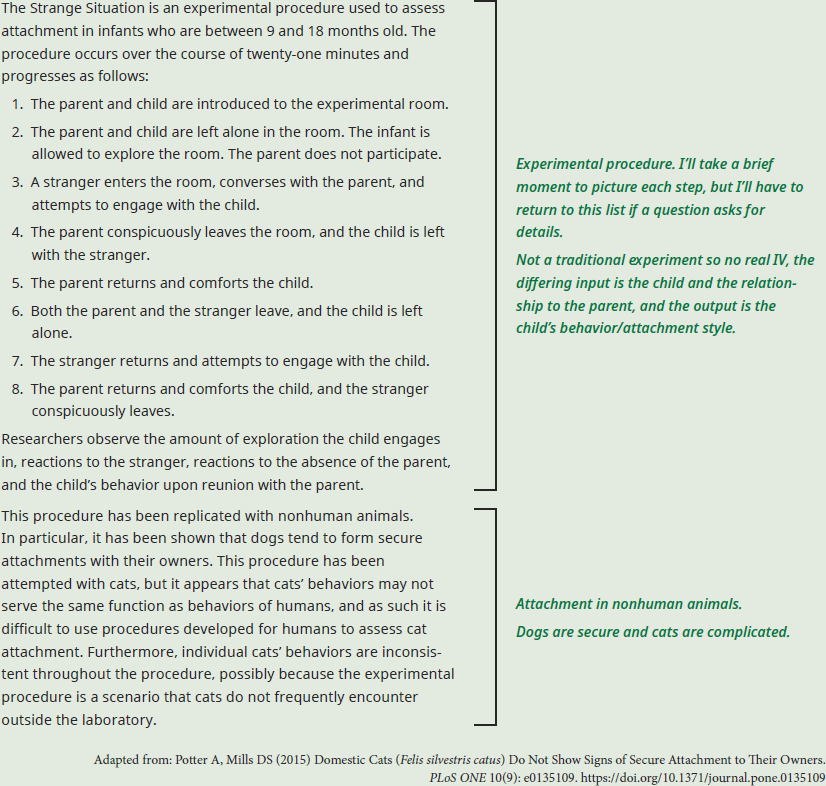
A child exposed to the Strange Situation was uninterested in exploring the room in the presence of either parent or stranger, and did not emotionally engage with either individual. In what ways do dogs’ attachment behaviors and style differ from those of the child? What experimental limitations do the researchers point out regarding assessing attachment in cats?
The beginning of the question stem presents a scenario in which a child was reluctant to explore the surroundings, regardless of who was present. This description will have to be matched to our outside content knowledge regarding attachment. The different attachment styles are content we should know for the MCAT, and avoidant attachment is characterized by children who show no substantial behavioral change based on the presence or absence of a parent. Behaviorally, we can conclude the child described is displaying an avoidant attachment style. Dogs were described in the article as demonstrating secure attachment, so we’ll want to recall the characteristics of a secure attachment and apply them to this situation. In secure attachment, the subject may or may not show distress when left with a stranger, but will definitely prefer the caregiver. The dogs must have displayed distress when left alone but were easily comforted when the caregiver returned. Specifically, then, the difference between the child and a typical dog should be twofold: the dogs should show greater engagement and positive response with their caregiver as compared to this child, and the dogs should show more distress when left alone without the caregiver as compared to the child.
The answer to the second question requires that we approach the problem in a similar way, this time applied to experimental design. We’ll need to consider the description we were given and attempt to match the description to a vocabulary word or concept we’ve studied. Here, the researchers noted two issues. The first was that the behaviors measured in cats did not serve a function with respect to attachment. Since cats aren’t social animals, trying to evaluate their behavior in a social context might be inappropriate. The experiment might not actually be measuring what it seeks to measure, which is a problem with internal validity. The author also mentions that the scenario presented in the experiment might not have a real-world analogue. When an experimental procedure might not actually apply to situations outside the lab, the experiment can be said to lack external validity.
In sum, the dog displayed secure attachment, while the infant displayed avoidant attachment. The application of this methodology to cats potentially lacks both internal (not measuring the targeted variable) and external (not bearing relevance to real-world analogues) validity.
Social Support
In psychology, social support is the perception or reality that one is cared for by a social network. Social support can be divided into many different categories: emotional, esteem, material, informational, and network support. While social support is present at all times, it is often most pronounced—and necessary—when someone suffers a personal or family tragedy.
Emotional support is listening, affirming, and empathizing with someone’s feelings. It’s the I’m sorry for your loss condolence card or a trip to the hospital to visit a sick relative. Many people equate social support with emotional support, but other forms of support exist as well.
Esteem support is similar, but touches more directly on affirming the qualities and skills of a person. Reminding others of the skills they possess to tackle a problem can bolster their confidence. For example, consider a friend who has missed a significant amount of school due to illness. Calling that friend a smart and efficient worker who should have no problem making up the work would be providing esteem support.
Material support, also called tangible support, is any type of financial or material contribution to another person. It can come in the form of making a meal for friends after they have lost a loved one or donating money to a person in need.
Informational support refers to providing information that will help someone. You will spend much of your career providing informational support to patients as you explain their diagnoses, potential treatment options, and risks and benefits of those treatment options.
Network support is the type of social support that gives a person a sense of belonging. This can be shown physically, as demonstrated in Figure 10.2, or can be accomplished through gestures, group activities, and shared experiences.

Figure 10.2. Network Support A group hug creates a sense of belonging.
No matter the form, all of these social supports offer many different types of health benefits. Social support helps reduce psychological distress such as anxiety and depression. People with low social support show higher levels of major mental disorders, alcohol and drug use, and suicidal ideation. Beyond these intuitive improvements in mental health, there are also improvements to our physical health. Studies have found that people with low social support have a higher mortality risk from many different diseases, including diabetes, cardiovascular disease, and cancer. Strong social support appears to correlate with immunological health, too: those with higher social support are less likely to get colds and recover faster when they do.
Social Behaviors and Evolutionary Fitness
Many behaviors have neurological corollaries. Here, we will look at some specific behaviors and the brain regions that are implicated in causing them.
Foraging
The behavior of foraging, or seeking out and eating food, is driven by biological, psychological, and social influences. Biologically, hunger is driven by a complex pathway involving both neurotransmitters and hormones. The sensation of hunger is controlled by the hypothalamus. Specifically, the lateral hypothalamus promotes hunger, while the ventromedial hypothalamus responds to cues that we are full and promotes satiety. Thus, damage to the lateral hypothalamus will cause a person to lose all interest in eating; meanwhile, damage to the ventromedial hypothalamus will result in obesity because the individual never feels satiated. Foraging is also impacted by genetics. Certain genes play a role in the onset of foraging behavior and the division of tasks between members of the same group. Some species forage together while others engage in solitary foraging.
Cognitive skills play a role in the success of both solitary and group foraging. These skills include spatial awareness, memory, and decision making. In species that forage as a group, foraging is primarily a learned behavior. Young individuals learn through observing how to find and consume food and how to determine what is safe to eat, as shown in Figure 10.3. Animals also learn how to hunt by watching others. Some animals, such as wolves, hunt in packs that have strict rules regarding the order in which individuals are allowed to eat after a successful hunt.

Figure 10.3. Foraging Is Learned through Observational Learning
Mating and Mate Choice
A mating system describes the organization of a group’s sexual behavior. Mating systems seen among animals include monogamy, polygamy, and promiscuity. Monogamy refers to an exclusive mating relationship. Polygamy means having exclusive relationships with multiple partners. Having exclusive relationships with multiple females is called polygyny and with multiple males is called polyandry. Promiscuity refers to a member of one sex mating with others without exclusivity, without exclusivity. In most animal species, there is one dominant mating system; however, humans exhibit more flexibility. In humans, mating behavior is highly influenced by both biological and social factors. Humans also differ from animals by having formal relationships to correspond with mate choice. Mating may or may not be associated with these social relationships, such as marriage or dating.
KEY CONCEPT
Direct benefits provide advantages to the mate. Indirect benefits provide advantages to offspring.
Mate choice, or intersexual selection, is the selection of a mate based on attraction. Mate bias refers to how choosy members of the species are while choosing a mate. This bias is an evolutionary mechanism aimed at increasing the fitness of the species. It may carry direct benefits by providing material advantages, protection, or emotional support, or indirect benefits by promoting better survival in offspring.
There are five recognized mechanisms of mate choice:
- Phenotypic benefits: observable traits that make a potential mate more attractive to the opposite sex. Usually, these traits indicate increased production and survival of offspring. For example, males that appear more nurturing are more likely to care for, and promote the survival of, their offspring.
- Sensory bias: development of a trait to match a preexisting preference that exists in the population. For example, fiddler crabs are naturally attracted to structures that break up the level horizon because they may indicate a food source; male crabs take advantage of this fact by building pillars around their territory to attract mates.
- Fisherian or runaway selection: a positive feedback mechanism in which a particular trait that has no effect or a negative effect on survival becomes more and more exaggerated over time. In this model, a trait is deemed sexually desirable and thus is more likely to be passed on. This increases the attractiveness of the trait, which in turn increases the likelihood that it continues to be passed on. The bright plumage of the peacock, shown in Figure 10.4, is the prototypical example of Fisherian selection.

Figure 10.4. Fisherian Selection The exaggerated plumage of the peacock is the prototypical example of Fisherian selection, in which the attractiveness of a trait that imparts a survival disadvantage leads to its continuation and exaggeration within the species.
- Indicator traits: traits that signify overall good health and well-being of an organism, increasing its attractiveness to mates. Notably, these traits may or may not be genetic in origin. For example, female cats are more attracted to male cats with clean and shiny coats; a dirty and dull coat may be related to an underlying genetic problem, or to malnutrition or infection.
- Genetic compatibility: the creation of mate pairs that, when combined, have complementary genetics. This theory provides a mechanism for the reduced frequency of recessive genetic disorders in the population: attraction to others who have starkly different genetic makeups reduces the probability of offspring being homozygotic for a disease-carrying allele.
Altruism
Altruism is a form of helping behavior in which the individual’s intent is to benefit another at some cost to the self. Helping behavior can be motivated by selflessness, but can also be motivated by egoism or ulterior motives, such as public recognition. Empathy is the ability to vicariously experience the emotions of another, and it is thought by some social psychologists to be a strong influence on helping behavior. The empathy–altruism hypothesis is one explanation for the relationship between empathy and helping behavior. According to this theory, one individual helps another person when feeling empathy for the other person, regardless of the cost. This theory has been heavily debated, and more recent conceptions of altruism posit that an individual will help another person only when the benefits outweigh the costs for the individual.
REAL WORLD
Altruism creates a bit of a problem for the traditional Darwinist model of evolution. Why would an organism sacrifice its own fitness for the fitness of another? Evolutionary biologists still wrestle with this question, but inclusive fitness offers at least one potential solution.
Game Theory
Game theory attempts to explain decision-making behavior. The theory was originally used in economics and mathematics to predict interaction based on game characteristics, including strategy, winning and losing, rewards and punishments, and profits and cost. A game is defined by its players, the information and actions available to each player at decision points, and the payoffs associated with each outcome.
In the context of biology, game payoffs refer to fitness. Game theorists studying sex ratios in various species developed the concept of the evolutionary stable strategy (ESS). When an ESS is adopted by a given population in a specific environment, natural selection will prevent alternative strategies from arising. The strategies are thus inherited traits passed along with the population, with the object of the game being becoming more fit than competitors.
One of the classic evolutionary games is the Hawk–Dove game. The game focuses on access to shared food resources. In each round, a player chooses one of two strategies: hawk or dove. The hawk exhibits a fighter strategy, displaying aggression and fighting until he wins or is injured. The dove exhibits a fight avoidance strategy, displaying aggression at first but retreating if the fight escalates. If not faced with a fight, the dove will attempt to share the food resources. There are three potential outcomes. If two hawks compete, one will win and one will lose. If a hawk and a dove compete, the hawk will invariably win. If two doves compete, they will share the food resources. The payoff in this case is based on both the value of the reward and the cost of fighting: If the reward is significantly larger than the cost of fighting, then hawks have an advantage. If the cost of fighting is significantly larger, doves have an advantage. There thus exists an equilibrium point where, based on the magnitude of the reward and the cost of fighting, the hawk and dove strategies can coexist as evolutionary stable strategies.
The Hawk–Dove game represents pure competition between individuals. However, social influences apply in nature and can result in four possible alternatives for competitors when dealing with strategic interactions. The four alternatives are shown in Figure 10.5 and are:
- Altruism: the donor provides a benefit to the recipient at a cost to the donor
- Cooperation: both the donor and recipient benefit by cooperating
- Spite: both the donor and recipient are negatively impacted
- Selfishness: the donor benefits while the recipient is negatively impacted
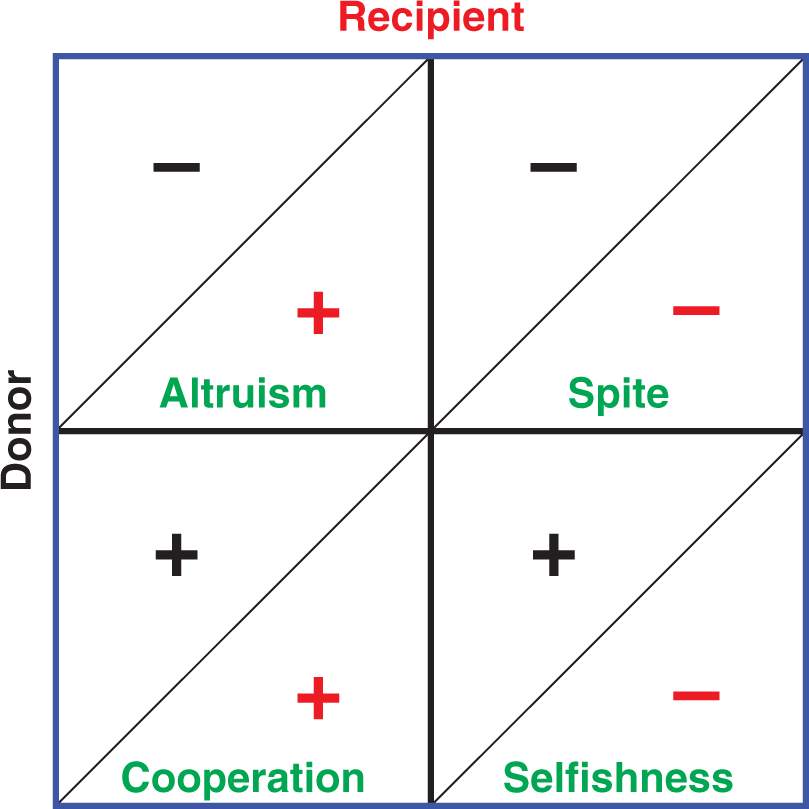
Figure 10.5. Strategic Alternatives for Socially Influenced Competitors
Other common strategy games, like rock–paper–scissors and chicken, can also be explained by game theory.
Inclusive Fitness
In evolutionary psychology, inclusive fitness is a measure of an organism’s success in the population. This is based on the number of offspring, success in supporting offspring, and the ability of the offspring to then support others. Early descriptions of evolutionary success were based solely on the number of viable offspring of an organism. However, contemporary theories take into account the benefits of certain behaviors on the population at large. For example, the existence of altruism could be supported by the observation that close relatives of an individual will share many of the same genes; thus, promoting the reproduction and survival of related or similar individuals can also lead to genetic success. Other species show examples of inclusive fitness by protecting the offspring of the group at large. By sacrificing themselves to protect the young, these organisms ensure the passing of genes to future generations. Inclusive fitness therefore promotes the idea that altruistic behavior can improve the fitness and success of a species as a whole.
MCAT CONCEPT CHECK 10.1
Before you move on, assess your understanding of the material with these questions.
________________________________
- What is interpersonal attraction, and what are three factors that influence this attraction?
- _________________________
- _________________________
- _________________________
_________________________
- For a behavior to be considered aggressive, is it necessary to have the intent to do harm? Does the behavior have to be physical in nature?
- What are the four types of attachment? How does a child with each form of attachment act with regard to the caregiver?
Type of Attachment Response to Caregiver
_______________________ _______________________
- What is social support? List three of the common types of social support.
- _________________________
- _________________________
- _________________________
_______________________ _______________________
- What is altruism?
10.2 Social Perception and Behavior
LEARNING OBJECTIVES
After Chapter 10.2, you will be able to:
- Describe the primacy effect, recency effect, halo effect, fundamental attribution error, attribute substitution, just-world hypothesis, and self-serving bias
- Contrast dispositional and situational attributions, and what factors can make each one more likely
- Identify examples of attribution and attribution biases in real-world examples
Social perception is the name social psychologists give to how we form impressions about the characteristics of individuals and groups of people. We form impressions of others through observation of their behavior, past experiences, and personal beliefs and attitudes. We also feel the need to be able to explain and understand the behavior of others, a process we perform through attribution.
BRIDGE
Social perception is highly linked to attitudes; social perception focuses on how we form attitudes about specific characteristics of individuals and groups. Attitudes are discussed in detail in Chapter 8 of MCAT Behavioral Sciences Review.
Social Perception
Social perception is also referred to as social cognition, and provides the tools to make judgments and impressions regarding other people. These judgments and impressions include assessments of social roles, relationships, characteristics such as trustworthiness or friendliness, and attributions, which are explanations for the causes of a person’s actions.
Components of Social Perception
There are three primary components of social perception: the perceiver, the target, and the situation. The perceiver is influenced by experience, motives, and emotional state. Past experiences affect our attitudes toward current and future experiences and can lead to particular expectations of events. Our motives influence what information we deem important and what we choose to ignore. Finally, emotional state can flavor our interpretation of an event. The target refers to the person about which the perception is made. Knowledge of the target can include past experiences or specific information that affect perception. When little information is available, there is a need for greater observation and interpretation by the perceiver. Finally, the situation is also important in developing perception. A given social context can determine what information is available to the perceiver.
Impression Bias
One model of social perception focuses on our selection of cues to form interpretations of others that are consistent over time. When coming into contact with an unfamiliar target, a perceiver takes in all cues from the target and environment, unfiltered. After becoming more familiar with a given target, the perceiver uses these cues to categorize the target: friend vs. enemy, caring vs. standoffish, open-minded vs. bigoted, and so on. Additional time spent with the target in the situational context will lead the perceiver to confirm the categorization. After this point, the perception of additional cues becomes selective in order to paint a picture of the target that is consistent with the perceptions the perceiver has already made. This theory is consistent with the primacy effect, which is the idea that first impressions are often more important than subsequent impressions. Sometimes, however, it is actually the most recent information we have about an individual that is the most important in forming our impressions; this is called the recency effect.
Individuals tend to organize the perception of others based on traits and personal characteristics of the target that are most relevant to the perceiver. This idea is referred to as the reliance on central traits. People may also project their own beliefs, opinions, ideas, and actions onto others. The categories we place others in during impression formation is based on implicit personality theory. This theory states that there are sets of assumptions people make about how different types of people, their traits, and their behavior are related. Making assumptions about people based on the category in which they are placed is known as stereotyping, and will be discussed in detail in the next section.
Halo Effect
The halo effect is a cognitive bias in which judgments about a specific aspect of an individual can be affected by one’s overall impression of the individual. It is the tendency to allow a general impression about a person (I like Jin) to influence other, more specific evaluations about a person (Jin is a good person, Jin is trustworthy, Jin can do no wrong). The halo effect explains why people are often inaccurate when evaluating people that they either believe to be generally good or those that they believe to be generally bad. An individual’s attractiveness has also been seen to produce the halo effect. As described earlier, attractiveness can be determined by a variety of traits, and the perception of these traits can impact the view of an individual’s personality. It has been shown that people who are perceived as attractive are also more likely to be perceived as trustworthy and friendly.
Just-World Hypothesis
Another cognitive bias during impression formation is the just-world hypothesis. In a so-called just world, good things happen to good people and bad things happen to bad people; noble actions are rewarded and evil actions are punished. Consequences may be attributed to a universal restoring force; in some religions and cultures, this force is referred to as karma. A strong belief in a just world increases the likelihood of “blaming the victim” or stating that victims get what they deserve because such a worldview denies the possibility of innocent victims.
Self-Serving Bias
Self-identity and perception can be skewed through self-serving bias, also known as self-serving attributional bias, which refers to the fact that individuals credit their own successes to internal factors and blame their failures on external factors. The tendency to attribute good outcomes to our good traits or behaviors and to attribute bad outcomes to situational factors is used to protect our self-esteem. For example, students who earn a good grade on a test may attribute their success to their intelligence or to how intensely they studied. However, if they received a bad grade, they might attribute this outcome to poor teaching by the professor, unfair questions, or too long a test for the allotted time. These types of attributions have been found to occur in many settings including the workplace, school, interpersonal relationships, and athletics. Self-serving bias is influenced by motivational processes, like self-enhancement and self-verification. Self-enhancement focuses on the need to maintain self-worth, which can be accomplished in part by the self-serving bias. Self-verification suggests people will seek the companionship of others who see them as they see themselves, thereby validating a person’s self-serving bias. Self-serving bias is also influenced by cognitive processes. For example, emotion is a factor in self-serving bias because emotion can impact self-esteem, which influences the need to protect one’s self-identity. Individuals with higher self-esteem are more likely to protect this image and thus more likely to exhibit self-serving bias. Relationships to others also determine the likelihood of the bias: Individuals who have close relationships are less likely to attribute failures to one another, and instead will make joint attributions. On the other hand, strangers are much more likely to self-serve by placing blame for a failure on each other.
In-group *vs.* Out-group Bias
As suggested in Chapter 9 of MCAT Behavioral Sciences Review on social interaction, humans naturally come together to form groups, which results in the subjective categorization of in-group and out-group. In-group refers to other members of one’s social group, while out-group refers to those who are not in the group. Given the propensity for humans to form groups, it’s understandable that how an individual perceives members within their group (in-group) versus people outside their group (out-group) is heavily biased. Specifically, in-group bias refers to the inclination to view members in one’s group more favorably, while out-group bias refers to the inclination to view individuals outside one’s group harshly.
REAL WORLD
People with depression often have a reversed attributional bias, viewing their successes as caused by external factors (I got lucky this time) and failures as caused by internal factors (It was all my fault).
Attribution Theory
Another aspect of social cognition is explaining the behavior of others. It is human nature to observe and try to understand why others act the way they do. Attribution theory describes how individuals infer the causes of other people’s behavior.
Dispositional and Situational Causes
Fritz Heider, one of the founders of attribution theory, divided the causes for attribution into two main categories: dispositional (internal) and situational (external). Dispositional (internal) attributions are those that relate to the person whose behavior is being considered, including beliefs, attitudes, and personality characteristics. Situational (external) attributions are those that relate to features of the surroundings, such as threats, money, social norms, and peer pressure. For instance, suppose you hear that a friend has been nominated for an academic award. Believing that the friend has been nominated because of hard work and personal effort would be a dispositional attribution. Contrarily, chalking up the nomination to luck would be a situational attribution. Situational attributions, therefore, consider the characteristics of the social context rather than the characteristics of the individual as the primary cause.
Cues
In order to understand the behavior of others, a variety of cues are used. These include consistency cues, consensus cues, and distinctiveness cues. Consistency cues refer to the behavior of a person over time. The more regular the behavior, the more we associate that behavior with the motives of the person. Consensus cues relate to the extent to which a person’s behavior differs from others. If a person deviates from socially expected behavior, we are likely to form a dispositional attribution about the person’s behavior. Distinctiveness cues refer to the extent to which a person engages in similar behavior across a series of scenarios. If a person’s behavior varies in different scenarios, we are more likely to form a situational attribution to explain it.
KEY CONCEPT
- Consistency cues—has consistent behavior over time
- Consensus cues—matches others’ behavior
- Distinctiveness cues—uses similar behavior in similar situations
The correspondent inference theory takes this concept one step further by focusing on the intentionality of others’ behavior. When an individual unexpectedly performs a behavior that helps or hurts us, we tend to explain the behavior by dispositional attribution. Thus, we may correlate these unexpected actions with the person’s personality.
Fundamental Attribution Error
The fundamental attribution error posits that we are generally biased toward making dispositional attributions rather than situational attributions when judging the actions of others. For example, suppose that on a team project, other team members were unable to complete their assignments. According to the fundamental attribution error, our immediate response might be to assume that these team members are lazy or unreliable—both of which are dispositional attributions. We may ignore the possibility that the team members got ill, had too many concurrent assignments, or suffered a personal tragedy—all of which are situational attributions. The fundamental attribution error can present itself in positive contexts as well. Imagine if you observed someone getting out of their car to help an older adult across the road. According to the fundamental attribution error, you would likely make a dispositional attribution like, “What a kind stranger!” rather than a situational attribution like, “Oh, maybe that’s their grandparent.” Notice that in these examples, the dispositional attributions often provide simpler explanations than the situational attributions. This difference in complexity is actually the source of the fundamental attribution error: Assuming that a person’s behaviors accurately portray who they are as a person is easier than speculating about what circumstances might have caused the observed behavior.
MCAT EXPERTISE
Actor-observer asymmetry (or bias) results from the self-serving bias (by the actor) and the fundamental attribution error (by the observer). Actor-observer bias holds that, due to our unique knowledge about our own actions, we are more likely to make situational attributions for the self as compared to others. If you, rather than another person, failed to complete an assignment, for example, you would be far more likely to consider the situational factors involved in your behavior because you are intimately aware of them. This effect is most commonly seen with negative behaviors.
Attribute Substitution
Attribute substitution occurs when individuals must make judgments that are complex, but instead they substitute a simpler solution or apply a heuristic. When making automatic or intuitive judgments on difficult questions or scenarios, an individual may address a different question or scenario without even realizing a substitution has been made. In one study, individuals were asked to envision a sphere that could just fit inside a cube. They were then asked what percentage of the volume of the cube would be taken up by the sphere. This is challenging to envision, so most individuals likely simplified the problem in their minds to imagine a circle inside a square. The answers given in this study averaged around 74 percent, which is approximately the area of a square taken up by a circumscribed circle (79%), but significantly higher than the volume of a cube taken up by a circumscribed sphere (52%).
Attribute substitution can take place in far simpler setups as well. A classic example used in many psychology classes is the following question: A pencil and an eraser cost $1.10 together. If the pencil costs one dollar more than the eraser, how much does the eraser cost? Most individuals respond instinctively with the answer ten cents. It is easy to recognize that the pencil costs more, and to integrate the information given in the question stem ($1.10 and one dollar) incorrectly.
This process is also common when dealing with size and color in optical illusions. For instance, when judging the size of figures in an image with perspective, the apparent sizes shown in the image can be distorted by three-dimensional context, as shown in Figure 10.6. The expected three-dimensional size of the figure, based on perspective cues, substitutes for the actual two-dimensional size of the birds within the image. It is interesting to note that painters and photographers with experience in two-dimensional images are less likely to substitute due to the fact that two-dimensional size is more understandable to their perception.
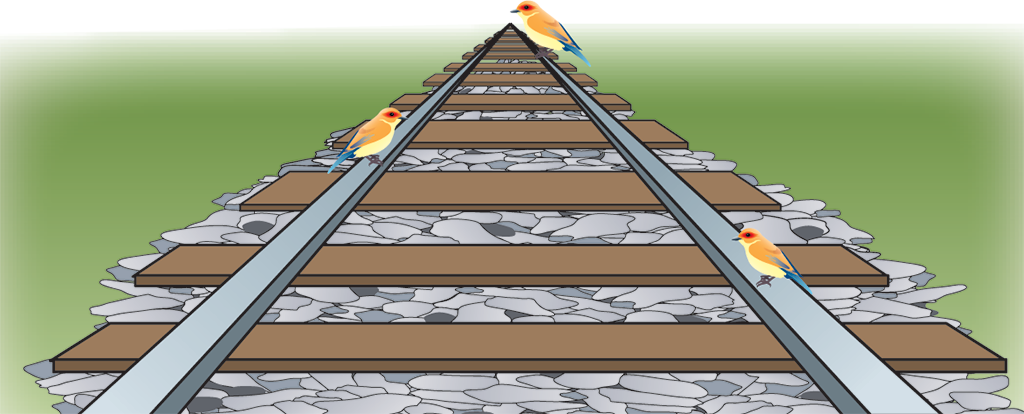
Figure 10.6. Attribute Substitution for Size in Optical Illusions The birds are of identical size, but three-dimensional cues affect our interpretation of the image.
Shadows, patterns, the position of the sun, and other visual cues can also cause attribute substitution for color, as shown in Figure 10.7.
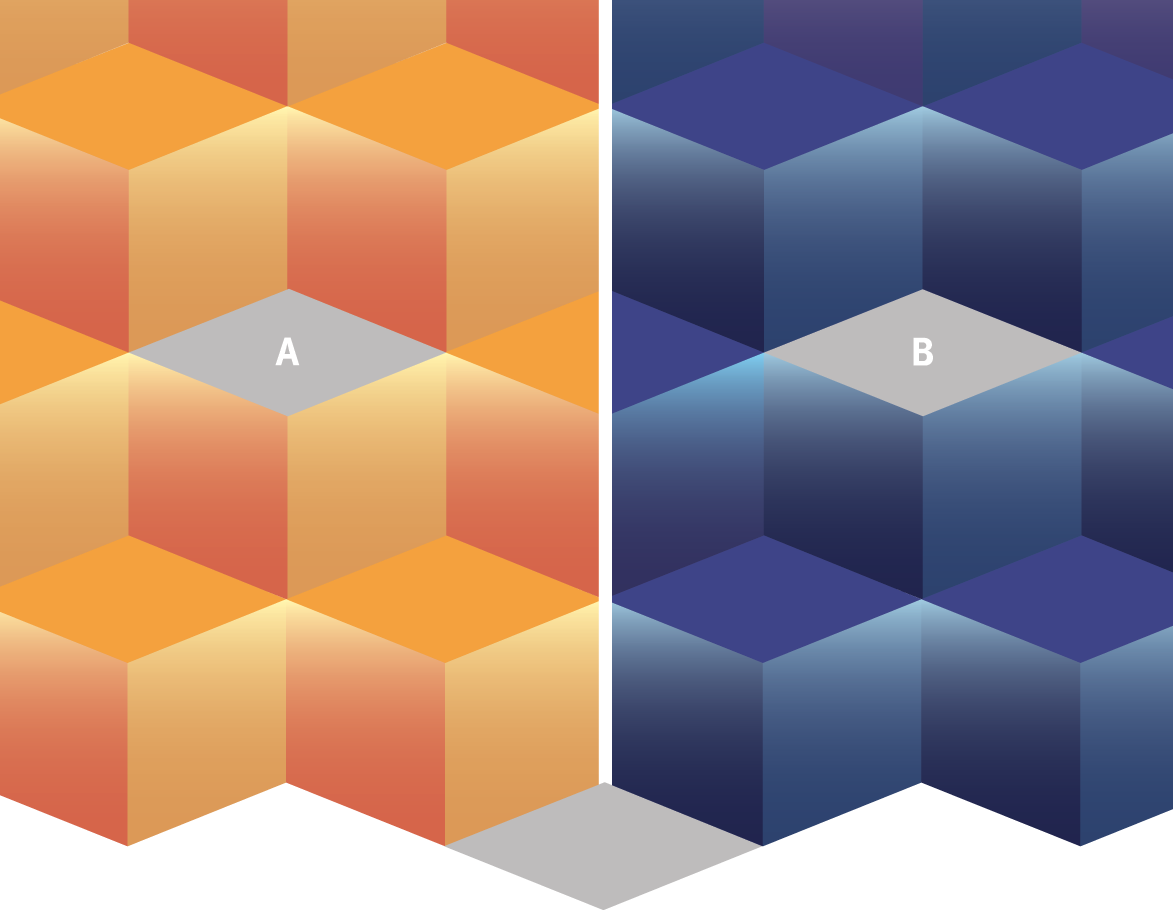
Figure 10.7. Attribute Substitution for Color in Optical Illusions The central boxes labeled A and B are of identical color, but shadow cues affect our interpretation of the image.
Cultural Attribution
Another important factor in attribution is culture. The type of culture an individual belongs to plays a major role in the types of attributions the individual makes. Individualist cultures put high value on the individual, personal goals, and independence. Collectivist cultures view individuals as members of a group and place high value on conformity and interdependence. Individualists tend to make more fundamental attribution errors than those in collectivist cultures. Individualists are also more likely to attribute behavior to dispositional factors, whereas collectivists are more likely to attribute behavior to situational factors.
MCAT CONCEPT CHECK 10.2
Before you move on, assess your understanding of the material with these questions.
- For each of the social cognitive biases below, provide a brief description:
________________________________
- Primacy effect:
________________________________
- Recency effect:
________________________________
- Halo effect:
________________________________
- Just-world hypothesis:
_________________________
- Self-serving bias:
_______________________ _______________________
- What is attribution theory? What are the two types of attribution?
- _________________________
- _________________________
_______________________ _______________________
- What is the fundamental attribution error?
______________________________ ______________________________
- What is attribute substitution?
10.3 Stereotypes, Prejudice, and Discrimination
LEARNING OBJECTIVES
After Chapter 10.3, you will be able to:
- Distinguish between stereotypes, prejudice, and discrimination
- List the types of social inequality that can influence prejudice
- Compare and contrast ethnocentrism and cultural relativism
While stereotypes, prejudice, and discrimination are terms that are related and often used together, they are very different concepts. Stereotypes are viewed as cognitive, prejudice as affective, and discrimination as behavioral. Stereotypes refer to the expectations, impressions, and opinions about the characteristics of members of a group. Prejudice reflects the overall attitude and emotional response to a group. Discrimination refers to differences in actions toward different groups.
KEY CONCEPT
- Stereotypes are cognitive
- Prejudices are affective
- Discrimination is behavioral
Note: Kaplan Test Prep does not endorse or encourage any of the stereotypes mentioned in this chapter; they are included only as examples.
Stereotypes
Despite their negative connotations, stereotypes often appear in everyday life, and can be beneficial when not directed toward other human beings. In a psychological sense, the purpose of a stereotype is to make sense of a complex world by categorizing and systematizing information in order to better identify items, predict their behavior, and react. In the context of stereotyping what different items of furniture look like, how different types of stores operate, or how different cuisines taste, stereotypes are extremely useful in defining categories and determining what does or does not fit into that category. However, when stereotypes are used to develop prejudices toward others and to discriminate, they are being appropriated for negative uses.
In the context of sociology, stereotypes occur when attitudes and impressions are based on limited and superficial information about a person or a group of individuals. The content of stereotypes are the attributes that people believe define and characterize a group. The stereotype content model attempts to classify stereotypes with respect to a hypothetical in-group using two dimensions: warmth and competence. Warm groups are those that are not in direct competition with the in-group for resources; competent groups are those that have high status within society. The four possible combinations of warmth and competence are shown in Table 10.1 and are associated with distinct emotions.
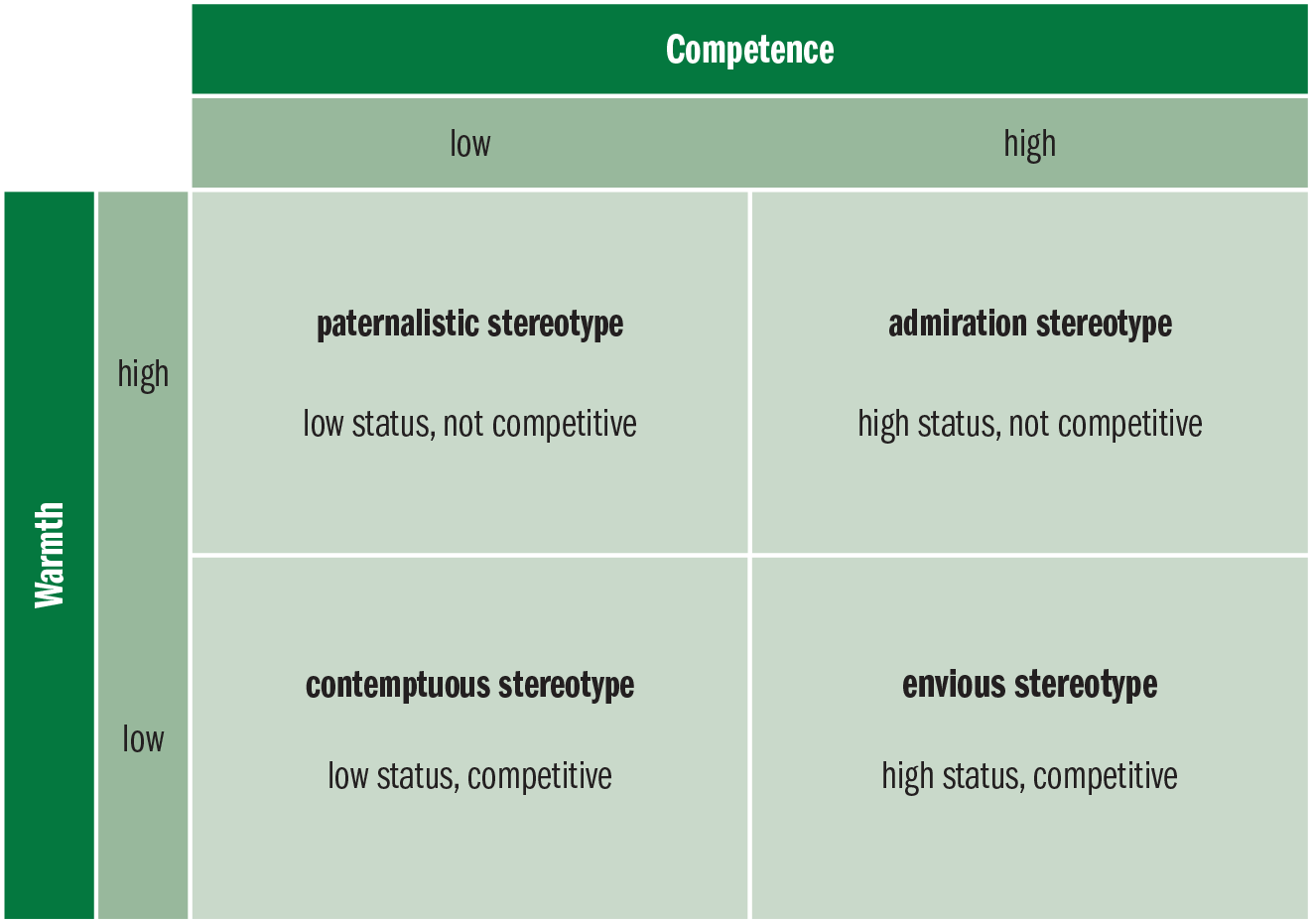
Table 10.1. Classifications of Stereotypes in the Stereotype Content Model Adapted from Fiske et al. (2002)
Paternalistic stereotypes are those in which the group is looked down upon as inferior, dismissed, or ignored. Contemptuous stereotypes are those in which the group is viewed with resentment, annoyance, or anger. Envious stereotypes are those in which the group is viewed with jealousy, bitterness, or distrust. Admiration stereotypes are those in which the group is viewed with pride and other positive feelings.
Self-Fulfilling Prophecy
Stereotypes can lead to expectations of certain groups of individuals. These expectations can create conditions that then cause the expectations to become reality, a process referred to as self-fulfilling prophecy. For example, some medical students experience a self-fulfilling prophecy during their first days of surgery clerkship in medical school: During their first year in the wards, new students are stereotyped as being unable to quickly and efficiently throw knots during a surgery. With this knowledge in mind, these students are nervous to suture for the first time and may struggle with every step of the knot-tying process. This struggle validates the stereotype and thus completes the self-fulfilling prophecy.
Stereotype Threat
In some social situations, a person might be concerned or anxious about inadvertently confirming a negative stereotype about their social group. This concern is known as stereotype threat. Unfortunately, the feeling of stereotype threat often results in a self-fulfilling prophesy: People experiencing stereotype threat often exhibit stress arousal and are preoccupied by monitoring their own performance on a task, and these distractions can then lead to reduced performance on the task. An example of a well-studied group that often experiences stereotype threat is women in mathematics. A study showed that women taking a math exam scored lower when the only other test takers in the room were men. The researchers concluded that when taking an exam with only men present, women test subjects were more concerned about stereotype threat, and performed more poorly as a result of their concerns. Researchers theorize that stereotype threat may be a contributing factor to long-standing racial and gender gaps in certain careers and in academic performance.
KEY CONCEPT
Stereotype threat is concern or anxiety about confirming a negative stereotype about one’s group. This may hinder performance, which may actually create a self-fulfilling prophecy.
Prejudice
From a social psychology approach, prejudice is defined as an irrational positive or negative attitude toward a person, group, or thing, prior to an actual experience with that entity. The process of socialization results in the formation of attitudes regarding our own groups and a sense of identity as an individual and a group member. Prejudice can form in response to dissimilarities among groups, races, ethnicities, or even environments. While racial and ethnic prejudices against individuals are at the forefront of most people’s minds, prejudices exist against objects and places as well. For instance, people have attitudes toward different regions of the country based on culture, weather, and history; which car manufacturers are the most reliable; what types of food are considered unhealthy; and even what types of animals make good pets. Prejudicial attitudes can run the gamut from hate to love, contempt to admiration, and indifference to loyalty.
Prejudices may be kept internally or shared with the larger community. Propaganda is a common way by which large organizations and political groups attempt to create prejudices in others. Propaganda posters often invoke messages of fear, and depictions of the target group are often exaggerated to an absurd degree.
Power, Prestige, and Class
There are a variety of social factors that influence prejudice. Three of the most important are power, prestige, and class. Power refers to the ability of people or groups to achieve their goals despite any obstacles, and their ability to control resources. Prestige is the level of respect shown to a person by others. Class refers to socioeconomic status. Social inequality, or the unequal distribution of power, resources, money, or prestige, can result in the grouping of haves and have-nots. Have-nots may develop a negative attitude toward haves based on envy Haves may develop a negative attitude toward have-nots as a defense mechanism to justify the fact that they have more.
Ethnocentrism
Ethnocentrism refers to the practice of making judgments about other cultures based on the values and beliefs of one’s own culture, especially when it comes to language, customs, and religion. Ethnocentrism can manifest in many ways, from innocent displays of ethnic pride to violent supremacy groups. Because of this, ethnocentrism is closely tied to the previously discussed concepts of in-group vs. out-group biases and group conflict.
Cultural Relativism
In order to avoid ethnocentrism, the concept of cultural relativism has been employed by sociologists to compare and understand other cultures. Cultural relativism is the recognition that social groups and cultures should be studied on their own terms. When studying a culture, social relativism acknowledges that the values, mores, and rules make sense in the context of that culture, and should not be judged against the norms of another culture. In other words, while one group may follow a given set of rules (say, the dietary rules of kashrut or halal), cultural relativism holds that those rules should not be perceived as superior or inferior to those of other cultures—just different.
Discrimination
Discrimination occurs when prejudicial attitudes cause individuals of a particular group to be treated differently from others. While prejudice is an attitude, discrimination is a behavior. As prejudice typically refers to a negative attitude, discrimination typically refers to a negative behavior. It is also important to note that prejudice does not always result in discrimination. For instance, a person might have strong feelings against a particular race (prejudice), but may not express those feelings or act on them. As social inequality influences prejudice, the same idea applies to discrimination. The unequal distribution of power, prestige, and class influence discrimination.
Individual *vs.* Institutional Discrimination
Discrimination can be either individual or institutional. Individual discrimination refers to one person discriminating against a particular person or group, whereas institutional discrimination refers to the discrimination against a particular person or group by an entire institution. Individual discrimination is considered to be conscious and obvious, and can be eliminated by removing the person who is displaying the behavior. Sociologists have begun to stress the need to focus on institutional discrimination, as it is discrimination built into the structure of society, so it is far more covert and harder to extricate. Because it is part of society, it is perpetuated by simply maintaining the status quo.
The United States has a long history of institutional discrimination against myriad groups. Perhaps the most overt example was that of racial segregation that existed in the early to mid-twentieth century. Even today, there are still concerns of institutional discrimination against individuals based on their race, ethnicity, gender identity, sexual orientation, religion, and other characteristics.
MCAT CONCEPT CHECK 10.3
Before you move on, assess your understanding of the material with these questions.
- What are the distinctions between stereotypes, prejudice, and discrimination?
________________________________
- Stereotypes:
________________________________
- Prejudice:
_________________________
- Discrimination:
- List three types of social inequality that can influence prejudice:
- _________________________
- _________________________
- _________________________
________________________________
- What is the difference between ethnocentrism and cultural relativism?
Conclusion
Social psychology focuses on social behavior and the attitudes, perceptions, and influences of others that impact behavior. In this chapter, we first looked at social behaviors, including attraction, aggression, attachment, and social support. We also looked at the biological explanations of specific social behaviors, including foraging, mate choice, altruism, game theory, and inclusive fitness. We further defined the components of social perception and impression biases. The way we view ourselves also influences the way we view others and how we attribute behavior to others. Finally, we took a look at stereotypes, prejudice, and discrimination.
These last few topics demonstrate a negative side of classifying individuals. We can use classification to create hierarchies, inequities in opportunity and finances, as well as to silence or suppress communities. But classification can also serve a positive purpose. In social science, we often classify populations to study interactions between groups, changes in population makeup over time, and to track migration patterns. These classifications are considered in the field of demographics, which we will explore in the next chapter.
GO ONLINE
You’ve reviewed the content, now test your knowledge and critical thinking skills by completing a test-like passage set in your online resources!
CONCEPT SUMMARY
Social Behavior
- Interpersonal attraction is what makes people like each other and is influenced by multiple factors:
- Physical attractiveness, which is increased with symmetry and proportions close to the golden ratio
- Similarity of attitudes, intelligence, education, height, age, religion, appearance, and socioeconomic status
- Self-disclosure, which includes sharing fears, thoughts, and goals with another person and being met with empathy and nonjudgment
- Reciprocity, in which we like people who we think like us
- Proximity, or being physically close to someone
- Aggression is a physical, verbal, or nonverbal behavior with the intention to cause harm or increase social dominance.
- Attachment is an emotional bond to another person, and usually refers to the bond between a child and a caregiver. There are four types of attachment:
- Secure attachment requires a consistent caregiver so the child is able to go out and explore, knowing there is a secure base to return to; the child will show strong preference for the caregiver.
- Avoidant attachment occurs when a caregiver has little or no response to a distressed, crying child; the child shows no preference for the caregiver compared to strangers.
- Ambivalent attachment occurs when a caregiver has an inconsistent response to a child’s distress, sometimes responding appropriately, sometimes neglectfully; the child will become distressed when the caregiver leaves and is ambivalent when the caregiver returns.
- Disorganized attachment occurs when a caregiver is erratic or abusive; the child shows no clear pattern of behavior in response to the caregiver’s absence or presence and may show repetitive behaviors.
- Social support is the perception or reality that one is cared for by a social network.
- Emotional support includes listening to, affirming, and empathizing with someone’s feelings.
- Esteem support affirms the qualities and skills of the person.
- Material support is providing physical or monetary resources to aid a person.
- Informational support is providing useful information to a person.
- Network support is providing a sense of belonging to a person.
- Foraging is searching for and exploiting food resources.
- A mating system describes the way in which a group is organized in terms of sexual behavior.
- Monogamy consists of exclusive mating relationships.
- Polygamy consists of multiple exclusive relationships, including polygyny (with multiple females) and polyandry (with multiple males).
- Promiscuity means mating without exclusivity.
- Mate choice, or intersexual selection, is the selection of a mate based on attraction and traits.
- Altruism is a form of helping behavior in which people’s intent is to benefit someone else at some cost to themselves.
- Game theory attempts to explain decision making between individuals as if they are participating in a game.
- Inclusive fitness is a measure of an organism’s success in the population. This is based on the number of offspring, success in supporting offspring, and the ability of the offspring to then support others.
Social Perception and Behavior
- Social perception or social cognition is the way by which we generate impressions about people in our social environment. It contains a perceiver, a target, and the situation or social context of the scenario.
- Implicit personality theory states that people make assumptions about how different types of people, their traits, and their behavior are related.
- Certain cognitive biases impact our perceptions of others.
- The primacy effect refers to when first impressions are more important than subsequent impressions.
- The recency effect is when the most recent information we have about an individual is most important in forming our impressions.
- A reliance on central traits is the tendency to organize the perception of others based on traits and personal characteristics that matter to the perceiver.
- The halo effect is when judgments of an individual’s character can be affected by the overall impression of the individual.
- The just-world hypothesis is the tendency of individuals to believe that good things happen to good people and bad things happen to bad people.
- Self-serving bias refers to the fact that individuals will view their own successes as being based on internal factors, while viewing their failures as being based on external factors.
- Attribution theory focuses on the tendency for individuals to infer the causes of other people’s behavior.
- Dispositional (internal) causes are those that relate to the features of the person whose behavior is being considered.
- Situational (external) causes are related to features of the surroundings or social context.
- Correspondent inference theory is used to describe attributions made by observing the intentional (especially unexpected) behaviors performed by another person.
- Fundamental attribution error is the bias toward making dispositional attributions rather than situational attributions in regard to the actions of others.
- Attribute substitution occurs when individuals must make judgments that are complex but instead substitute a simpler solution or heuristic.
- Attributions are highly influenced by the culture in which one resides.
Stereotypes, Prejudice, and Discrimination
- Stereotypes occur when attitudes and impressions are made based on limited and superficial information about a person or a group of individuals.
- Stereotypes can lead to expectations of certain groups, which can create conditions that lead to confirmation of the stereotype, a process referred to as self-fulfilling prophecy.
- Stereotype threat is concern or anxiety about confirming a negative stereotype about one’s social group.
- Prejudice is defined as an irrational positive or negative attitude toward a person, group, or thing prior to an actual experience.
- Ethnocentrism refers to the practice of making judgments about other cultures based on the values and beliefs of one’s own culture.
- Cultural relativism refers to the recognition that social groups and cultures should be studied on their own terms.
- Discrimination is when prejudicial attitudes cause individuals of a particular group to be treated differently from others.
- Individual discrimination refers to one person discriminating against a particular person or group.
- Institutional discrimination refers to the discrimination against a particular person or group by an entire institution.
ANSWERS TO CONCEPT CHECKS
**10.1**
- Interpersonal attraction is what makes people like each other and is influenced by at least five factors discussed in the chapter: physical attractiveness, similarity, self-disclosure, reciprocity, and proximity.
- No, in addition to behavior with the intent to cause harm, aggression can also be a behavior that increases relative social dominance. Aggression can be physical, verbal, or nonverbal.
-
Type of Attachment Response to Caregiver Secure Upset at departure of caregiver, comforted by return; trusts caregiver, who is viewed as a secure base
Avoidant Shows no preference for a stranger or caregiver; shows little distress at departure and little relief by return of caregiver
Ambivalent Distressed by departure of caregiver with mixed reactions at return
Disorganized No clear pattern of behavior; sometimes exhibits repetitive behaviors or seems dazed, frozen, or confused
- Social support is the perception or reality that one is cared for by a social network. There are five types discussed in this chapter: emotional support, esteem support, material support, informational support, and network support.
- Altruism is a form of helping behavior in which people’s intent is to benefit someone else at some cost to themselves.
**10.2**
- The primacy effect is the power of first impressions over later impressions of an individual. The recency effect is weighing the most recent information of a person as the most important. The halo effect occurs when one applies general feelings about a person (usually, “good” or “bad”) to specific characteristics of that person. The just-world hypothesis is the belief that good things happen to good people and bad things happen to bad people. Self-serving bias is the tendency to attribute our successes to internal factors and our failures to external factors.
- Attribution theory focuses on the tendency of individuals to infer the causes of other people’s behavior. Attributions are divided into two types: dispositional (internal) causes, which relate to the features of the target, and situational (external) causes, which relate to features of the surroundings or context.
- Fundamental attribution error is the general bias toward making dispositional attributions rather than situational attributions about the behavior of others, especially in negative contexts.
- Attribute substitution occurs when individuals must make judgments that are complex but instead substitute a simpler solution or heuristic.
**10.3**
- Stereotypes occur when attitudes and impressions are made based on limited and superficial information about a person or a group of individuals and are cognitive. Prejudice is defined as an irrational negative, or occasionally positive, attitude toward a person, group, or thing, which is formed prior to an actual experience and is affective. Discrimination is when prejudicial attitudes cause individuals of a particular group to be treated differently than others and is behavioral.
- Power, prestige, and class all influence prejudice through unequal distribution of wealth, influence, and resources.
- Ethnocentrism refers to the practice of making judgments about other cultures based on the values and beliefs of one’s own culture. Cultural relativism refers to the recognition that social groups and cultures must be studied on their own terms. In both cases, an individual perceives another group to which that individual does not belong; however, it is the reaction to that other group that determines which paradigm is being used.
SCIENCE MASTERY ASSESSMENT EXPLANATIONS
1. A
Each of the answer choices influences social attraction; however, proximity deals with the tendency to be attracted to those who are physically close by.
2. B
Aggression is influenced both by the amygdala and prefrontal cortex activity. Activity of the amygdala increases aggression. The prefrontal cortex should control aggression; decreased activity in the prefrontal cortex, therefore, is associated with increased aggression.
3. D
This attachment pattern is representative of secure attachment. Secure attachment is seen when a child has a consistent caregiver and is able to go out and explore, knowing there is a secure base to return to. The child will be upset at the departure of the caregiver and will be comforted and resume exploring upon the return of the caregiver.
4. B
Polygamy involves having exclusive relationships with several partners, several females (polygyny), or several males (polyandry), (A). Monogamy, (C), consists of exclusive mating relationships. Promiscuity, (D), refers to mating with others without exclusivity.
5. C
A person with a ventromedial hypothalamus injury will never feel satiated when eating and will therefore never feel the sensation to stop eating. A person with a lateral hypothalamus injury will never feel hunger and will have decreased food intake, (D).
6. D
Phenotypic benefits refer to observed traits in an individual that make them more attractive to other members of their species. Benefits associated with increased fitness through direct material advantages are direct benefits, (C), while indirect benefits involve increased genetic fitness for offspring.
7. A
In evolutionary psychology, inclusive fitness is a measure of the number of offspring an individual has, how they support their offspring, and how their offspring can support others. Inclusive fitness promotes the idea that altruistic behavior can improve the fitness and success of a species; the behavior in this scenario can be described as altruism: benefiting another at one’s own expense.
8. D
There are three primary components of perception: the perceiver, the target, and the situation.
9. A
The impressions we form when meeting others are influenced by a number of perceptual biases. The primacy effect refers to those occasions when first impressions are more important than subsequent impressions.
10. C
The halo effect is a cognitive bias in which judgments of an individual’s character can be affected by the overall impression of the individual.
11. C
Self-serving bias refers to the fact that individuals will view their own successes as being based on internal factors, while viewing their failures as being based on external factors.
12. C
Types of attribution fall into two main categories: dispositional (internal) and situational (external). Dispositional (internal) causes are related to the features of the person whose behavior is being considered. Situational (external) causes are related to features of the surroundings.
13. B
Stereotype threat refers to the phenomenon of people being concerned or anxious about confirming a negative stereotype of their social group. Stereotype threat can hinder performance, creating a self-fulfilling prophecy.
14. D
Discrimination is when prejudicial attitudes cause individuals of a particular group to be treated differently than others. While prejudice is an attitude, discrimination is a behavior.
15. C
Game theory was originally designed to study decision-making behavior in economics and mathematics; it has since been used to describe decision making in politics, biology, philosophy, and other fields.
GO ONLINE
Consult your online resources for additional practice.
SHARED CONCEPTS
Behavioral Sciences Chapter 5
Motivation, Emotion, and Stress
Behavioral Sciences Chapter 6
Identity and Personality
Behavioral Sciences Chapter 8
Social Processes, Attitudes, and Behavior
Behavioral Sciences Chapter 9
Social Interaction
Behavioral Sciences Chapter 11
Social Structure and Demographics
Behavioral Sciences Chapter 12
Social Stratification